Child Development
Fostering Early Literacy Through Emergent Writing
Lilia Taneva3 min read
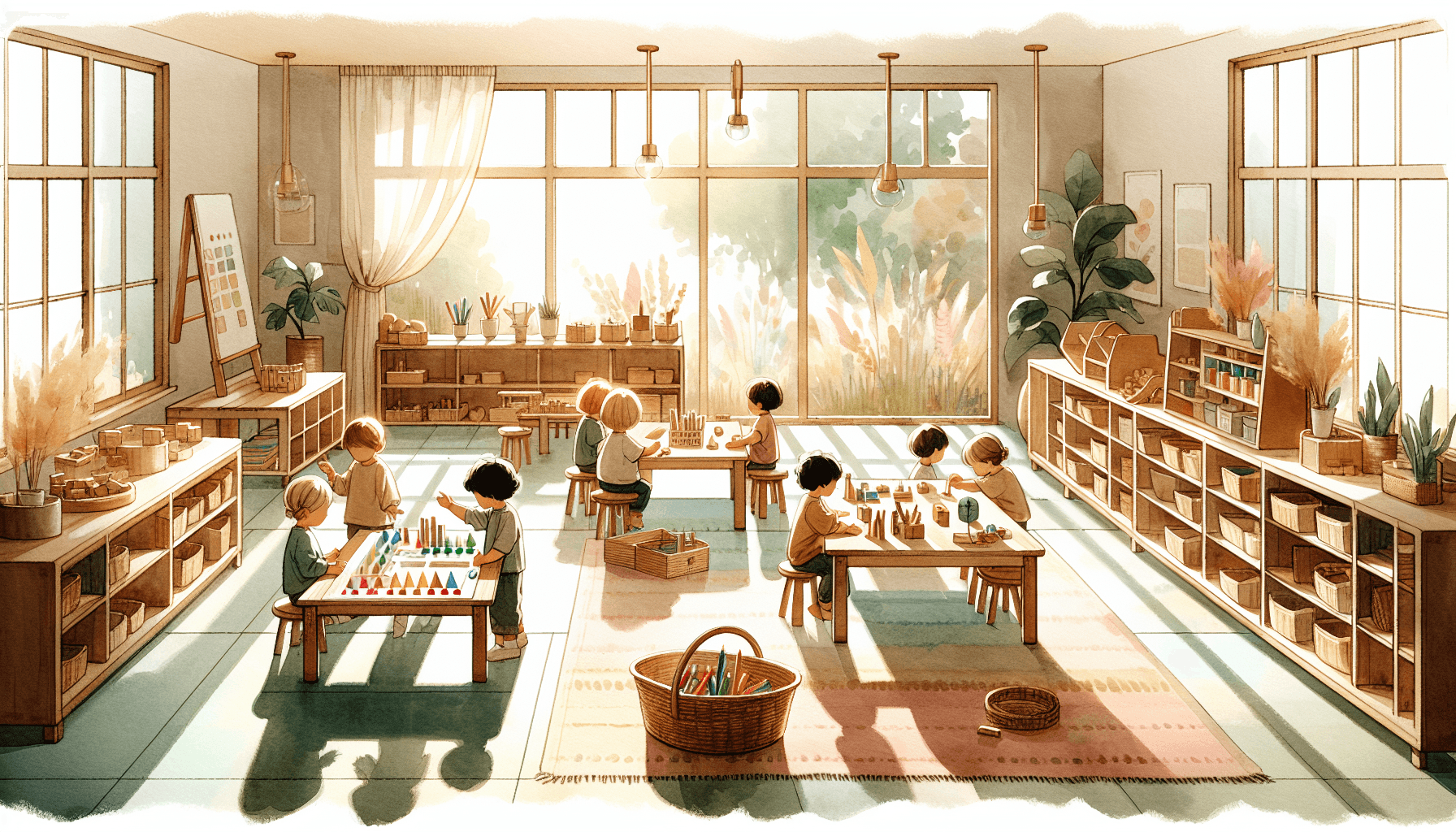
Learn how emergent writing can boost your child's early literacy skills.
Early literacy is a journey that begins long before children can read or write fluently. Watching your toddler scribble with a crayon is witnessing the first steps in this exciting adventure. Let's explore how emergent writing plays a crucial role in developing these skills.
Have you ever watched your toddler pick up a crayon and start scribbling with enthusiasm? Those scribbles might look like random marks to us, but they represent the beginnings of a wonderful journey into writing for your child.
What is Emergent Writing?
Emergent writing refers to young children's first steps in the writing process. As early as age two, children begin to imitate writing by making drawings and symbols that express their ideas. This early stage is crucial because it sets the foundation for future writing and reading skills. Encouraging these early attempts helps children develop confidence and a love for expressing themselves through words.
Encouraging Emergent Writing at Home
Creating a supportive environment at home can significantly enhance your child's emergent writing skills. Start by providing plenty of opportunities for your child to write. Equip them with crayons, markers, and paper, and let their creativity flow. Encourage them to write notes or draw stories about their day. Remember, it's not about perfect spelling or neatness at this stage; it's about the joy of expressing thoughts.
You can also incorporate writing into daily routines. For instance, ask your child to help you make a grocery list or write a letter to a family member. These activities make writing a fun and meaningful part of their everyday life.
The Role of Play in Writing
Play is a powerful tool in nurturing early writing skills. Through play, children explore different ways of communicating and expressing their ideas. Activities like Imaginative Play: Boosting Creativity & Problem Solving can stimulate creativity, which naturally extends to their writing. Encourage your child to write play scripts or make menus for a pretend restaurant. This not only enhances their writing but also boosts their imagination and problem-solving skills.
Supporting Your Child's Writing Journey
As a parent, your encouragement and involvement are key to supporting your child's writing development. Celebrate their writing attempts, no matter how simple they may seem. Display their work at home to show them that their efforts are valued. When mistakes happen, focus on the positives and gently guide them towards improvement.
Consider engaging with your child's educators to learn more about how you can support emergent writing at home. Teachers can offer valuable insights into your child's progress and provide tips tailored to their needs.
Nurturing emergent writing skills is a joyful and rewarding experience for both you and your child. By encouraging their early attempts and celebrating their progress, you're helping them build a strong foundation for literacy that will benefit them throughout their lives.
To further enhance your child's emergent writing skills, consider incorporating quiet play activities that nurture focus and concentration. These activities can provide a calming environment that naturally supports writing development. Explore how quiet play can help your child focus and concentrate.
Integrating emergent writing into your child's routine can pave the way for a lifelong love of literacy. For more ideas, explore our articles on Quiet Play Activities for Focus and Concentration and Montessori Sensory Activities: Key Benefits.
Frequently Asked Questions
How can I support my child's emergent writing skills?+
Provide plenty of writing materials, incorporate writing into play and daily activities, and celebrate their efforts.
Why are scribbles important in writing development?+
Scribbles are early expressions of writing that help children develop confidence and foundational skills for future literacy.
What role does play have in developing writing skills?+
Play fosters creativity and expression, which are crucial for writing. Activities like pretend play can integrate writing naturally.
What is emergent writing?+
Emergent writing refers to the early stages of learning to write, where children begin to understand that written symbols convey meaning.
How can I encourage my child's writing skills?+
Provide a variety of writing materials and opportunities for your child to practice writing in everyday situations, such as making a shopping list or writing a letter.
Why is emergent writing important?+
Emergent writing helps children develop essential literacy skills, boosts their confidence in expressing ideas, and lays the foundation for future academic success.
How does emergent writing support early literacy?+
Emergent writing helps children understand the connection between spoken and written language, laying the foundation for reading and writing skills.
Tags
Join our weekly newsletter
Framework-grounded ideas for parents and educators, every Thursday.