Child Development
Guided Play or Play Guided
Lilia Taneva3 min read
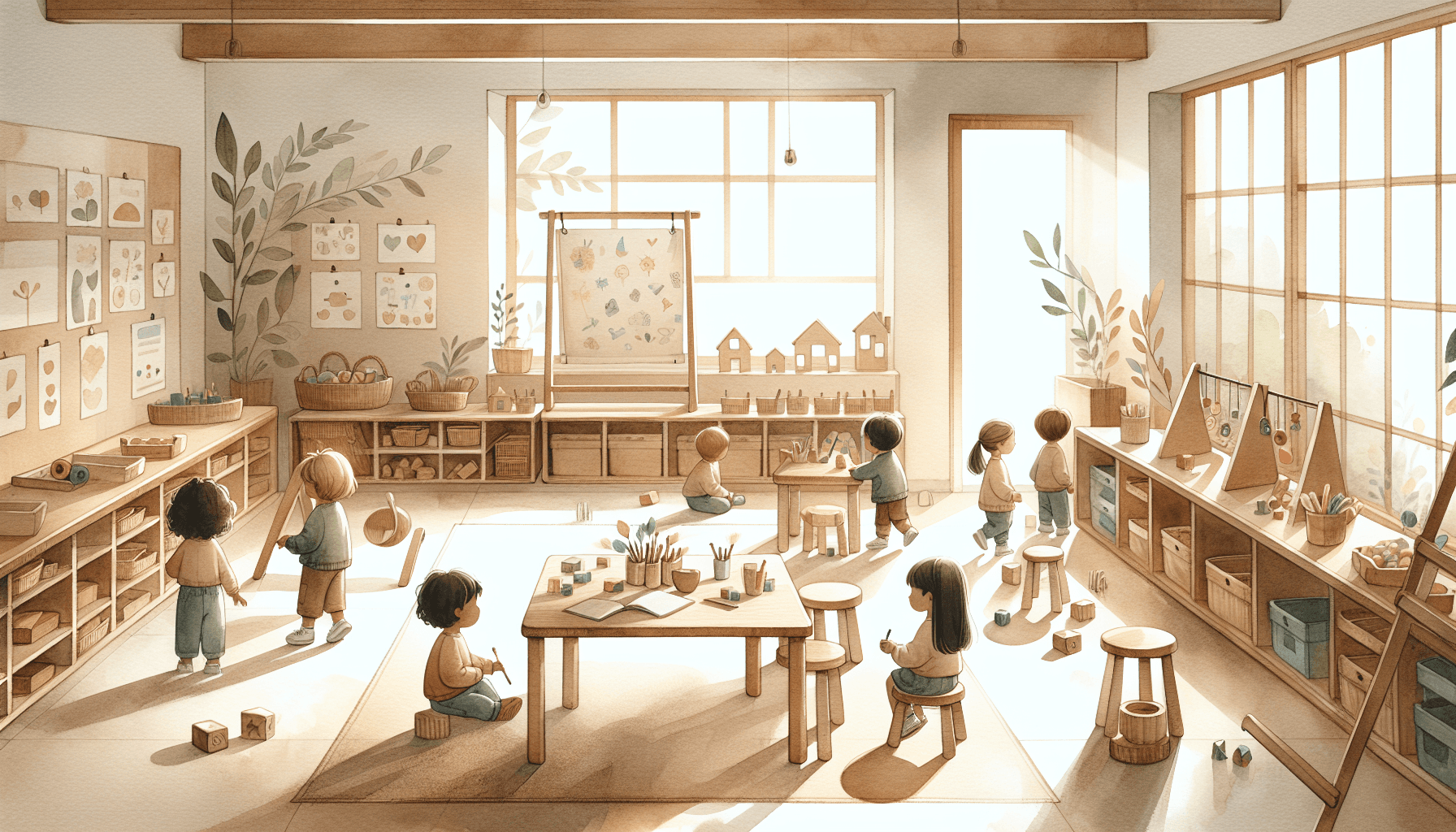
Discover how guided play, with insights from Vilnius, can enhance your child's development and growth.
Recently, I had the opportunity to attend an early childhood education summit in Vilnius, hosted by LearnED. The theme was simple but thought-provoking: “Guided Play or Play Guided?”
It stayed with me long after the sessions ended—not because it offered a clear answer, but because it challenged how we think about play in children’s lives.
I went there expecting to learn new techniques. What I came back with was something more important: clarity.
Play is not separate from learning
One of the strongest messages throughout the summit—and consistently reinforced by leading research in Early Childhood Education—was this: play is not a break from learning. It is learning.
We often feel the need to “add learning” into children’s day-structured tasks, outcomes, measurable progress. But when children are deeply engaged in play, they are already developing:
- Language through conversation and storytelling
- Problem-solving through trial and error
- Social skills through collaboration and conflict
- Emotional resilience through challenges and small failures
Play is where children make sense of the world. It is how they test ideas, build understanding, and develop confidence.
What does “guided” really mean?
The idea of guided play can sometimes feel unclear. If adults guide, is it still play?
What I observed during the summit and in discussions shaped by approaches such as Reggio Emilia approach and Montessori education helped reframe this.
In the classrooms we visited, teachers were not leading the play; they were shaping it. They created environments, chose materials carefully, and used subtle prompts to extend children’s thinking without taking control.
The play remained in the hands of the children. The role of the adult was to gently influence the direction of learning, not define it.
That distinction matters.
The role of the adult is quieter but more important
Another key takeaway was how much intention sits behind what looks like “simple play".
The teachers I met were not passive. They were observing closely, waiting for the right moment to step in, not to control, but to support and extend thinking.
This aligns closely with principles drawn from Lev Vygotsky’s work on social learning, where development happens through guided interaction rather than direct instruction.
This requires a shift in mindset.
Instead of asking:
“What should I teach right now?”
We start asking:
“What is this child exploring, and how can I support it?”
- Sometimes support means asking a question.
- Sometimes it means adding a new material.
- Sometimes it means stepping back completely.
This is not easier than direct teaching. It requires awareness, patience, and trust in the child’s ability to learn through experience.
Why this matters for parents too
This approach is not limited to classrooms. It is just as relevant at home.
Play does not need to be complicated or perfectly planned. What matters is the intention behind it.
Simple shifts can make a big difference:
- Turning a game into a conversation
- Letting children solve small problems on their own
- Allowing time for uninterrupted play
- Being present without directing every step
These are the moments where real learning happens.
So… guided play or play guided?
After this experience, I don’t see it as a choice between the two.
Play should lead, but adults should shape the environment around it.
When that balance is right, children stay curious, confident, and engaged. They learn not because they are told to, but because they are actively involved in the process.
A question to reflect on
Next time you see a child playing, pause for a moment.
Instead of asking, “What are they learning?” Try asking, “What are they discovering?”
The answer might change how you see play and your role in it.
Frequently Asked Questions
What is guided play?+
Guided play is a form of play where adults create an environment that encourages learning through play, subtly guiding children without taking control.
How can parents implement guided play at home?+
Parents can implement guided play by setting up a play environment with intentional materials and allowing children to explore while offering subtle guidance when needed.
Why is guided play important for child development?+
Guided play is important because it combines the benefits of play with learning, helping children develop language, problem-solving, and social skills.
Tags
Join our weekly newsletter
Framework-grounded ideas for parents and educators, every Thursday.