Montessori
Montessori Home Ideas for Child Independence
Liliya Taneva5 min read
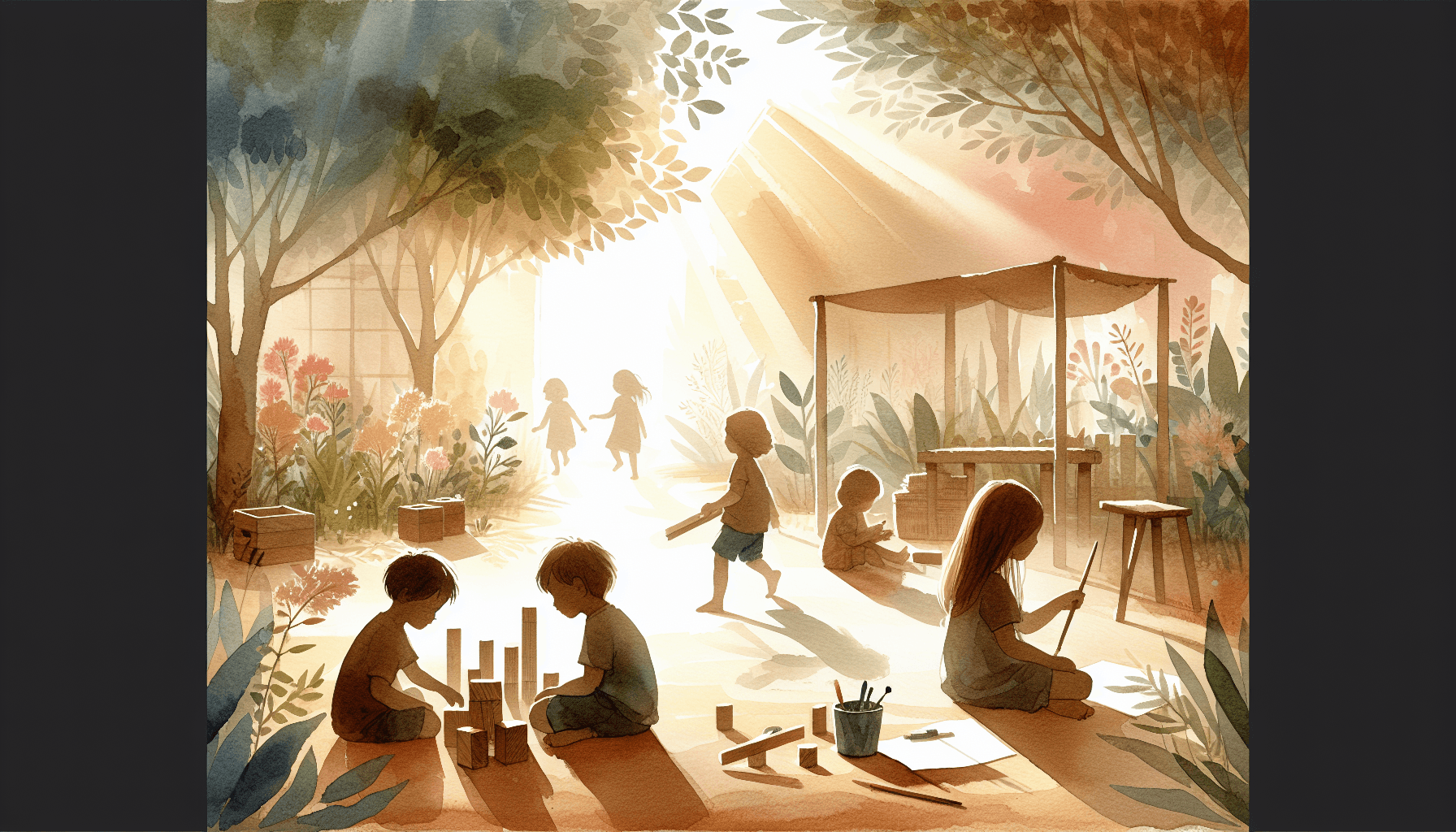
Discover how Montessori home ideas can foster a child-centered environment that promotes independence and self-motivation.
The Montessori education approach focuses on creating a child-centred environment that encourages independence, exploration, and self-motivation. But did you know that you can also apply these principles at home? Here are some ideas and tips for incorporating Montessori principles into your home:
For more insights on fostering creativity in children, visit our artistic play guide.
- Create a child-centred environment: Provide a child-sized table and chairs, low shelves with accessible toys and books, and a designated space for your child's activities. This encourages independence and helps your child feel in control of their environment.
- Encourage exploration and independence: Allow your child to explore their surroundings and engage in activities on their own, such as dressing themselves or preparing their own snack. This builds confidence and self-reliance.
- Use natural materials: Avoid using plastic toys or items that look like toys. Instead, use natural materials such as glass, metal, and wood. This helps your child develop an appreciation for natural materials and learn how to handle fragile objects.
- Let your child lead: Follow your child's interests and let them guide their own learning. Provide opportunities for them to engage in activities that interest them and offer guidance when needed.
- Incorporate practical life skills: Involve your child in household tasks such as cooking, cleaning, and gardening. This helps them develop practical life skills and a sense of responsibility.
- Foster a love of learning: Provide various materials and activities that encourage exploration and learning, such as books, puzzles, art supplies, and nature walks.
- Foster a love of nature: Spend time outside with your child and encourage them to explore the natural world around them. Take walks, hike, or visit local parks or nature centres. This helps your child develop an appreciation for the natural world and fosters a sense of wonder and curiosity.
- Provide open-ended materials: Open-ended materials such as blocks, loose parts, and art supplies allow for creativity and imagination. They can be used in various ways and adapted to your child's interests and abilities.
- Limit screen time: Montessori education emphasizes the importance of hands-on learning and real-life experiences. Limiting screen time allows your child to focus on real-life experiences and develop their imagination and creativity.
- Follow a routine: Montessori education also emphasizes the importance of routine and consistency. Establishing a consistent way at home helps your child develop a sense of order and predictability.
- Encourage self-reflection: Encourage your child to reflect on their actions and emotions. This helps them develop self-awareness and self-regulation.
- Emphasize process over product: Montessori education values the process of learning over the final product. Therefore, encourage your child to focus on the process of learning and exploring rather than the final product.
Incorporating Montessori principles into your home can have a profound impact on your child's development and education. By creating a child-centred environment that fosters independence, exploration, and self-motivation, you can help your child develop a love of learning that will last a lifetime. Through practical life skills, open-ended materials, and hands-on experiences, your child can develop a sense of order, self-awareness, and creativity.
Remember, the Montessori approach is not just a method of education but a way of life. It is a philosophy that values the natural development of the child and encourages them to reach their full potential. While it can be challenging to implement Montessori principles at home, the rewards are immense. You can watch your child grow and thrive in an environment that is tailored to their needs and interests, and help them develop the skills and qualities they need to succeed in life.
So, whether you decide to create a designated space for your child's activities, encourage exploration and independence, or foster a love of nature and practical life skills, incorporating Montessori principles into your home can be a wonderful way to support your child's growth and development. By providing a supportive and nurturing environment, you can help your child develop into a confident, self-motivated learner who is ready to take on the world.
Montessori through play emphasizes learning by doing, which helps children develop critical thinking skills.
For more on incorporating play into learning, check out our Montessori Sensory Activities.
Montessori play benefits child development by fostering independence, critical thinking, and a love for learning.
The Montessori education approach focuses on creating a child-centered environment. This environment encourages independence, exploration, and self-motivation. You can apply these principles at home too. Here are some ideas and tips for incorporating Montessori principles into your home:
Create a child-centered environment by providing child-sized furniture. Use low shelves with accessible toys and books. Designate a space for your child's activities. This setup encourages independence and helps your child feel in control.
Encourage exploration and independence by letting your child explore their surroundings. Allow them to engage in activities like dressing themselves or preparing their own snack. This builds confidence and self-reliance.
Whether you create a space for activities or encourage exploration, Montessori principles support growth. Foster a love of nature and practical skills. These actions help your child grow into a confident, self-motivated learner.
Foster a love of learning
Incorporating Montessori play activities can significantly enhance your child's learning experience.
Incorporating Montessori play ideas can significantly enhance your child's learning experience.
Encourage exploration and independence
Montessori play benefits include fostering independence and critical thinking skills.
Incorporate practical life skills
Parents can implement Montessori play at home by involving children in daily tasks.
To explore more about outdoor learning, visit our article on Exploring the Wonders of Nature with your child.
Parents can implement Montessori play methods at home by involving children in daily tasks.
For parents interested in fostering focus and concentration, our quiet play activities guide offers useful tips.
Sensory play benefits for child development include enhanced creativity and improved motor skills.
Foster a love of nature
Exploring the outdoors is a key aspect of Montessori learning through play.
Frequently Asked Questions
What are some Montessori play activities for toddlers?+
Montessori play activities for toddlers include sorting objects by color, building with blocks, and simple gardening tasks. These activities promote sensory development and practical life skills.
How does Montessori incorporate play into learning?+
Montessori incorporates play into learning by using hands-on activities that encourage exploration and creativity. Children learn through engaging with materials and their environment.
What are some Montessori play activities for toddlers?+
Montessori play activities for toddlers include sorting games, simple puzzles, and sensory bins. These activities promote independence and sensory exploration.
How can parents implement Montessori play at home?+
Parents can implement Montessori play at home by setting up child-friendly spaces, using natural materials, and encouraging self-directed play.
Illustrations created with AI image tools from our own prompts, curated and edited by our team. How we make things
Tags
Join our weekly newsletter
Framework-grounded ideas for parents and educators, every Thursday.