Child Behaviour
10 Fun Listening Games for Kids to Stay Engaged
Liliya Taneva4 min read
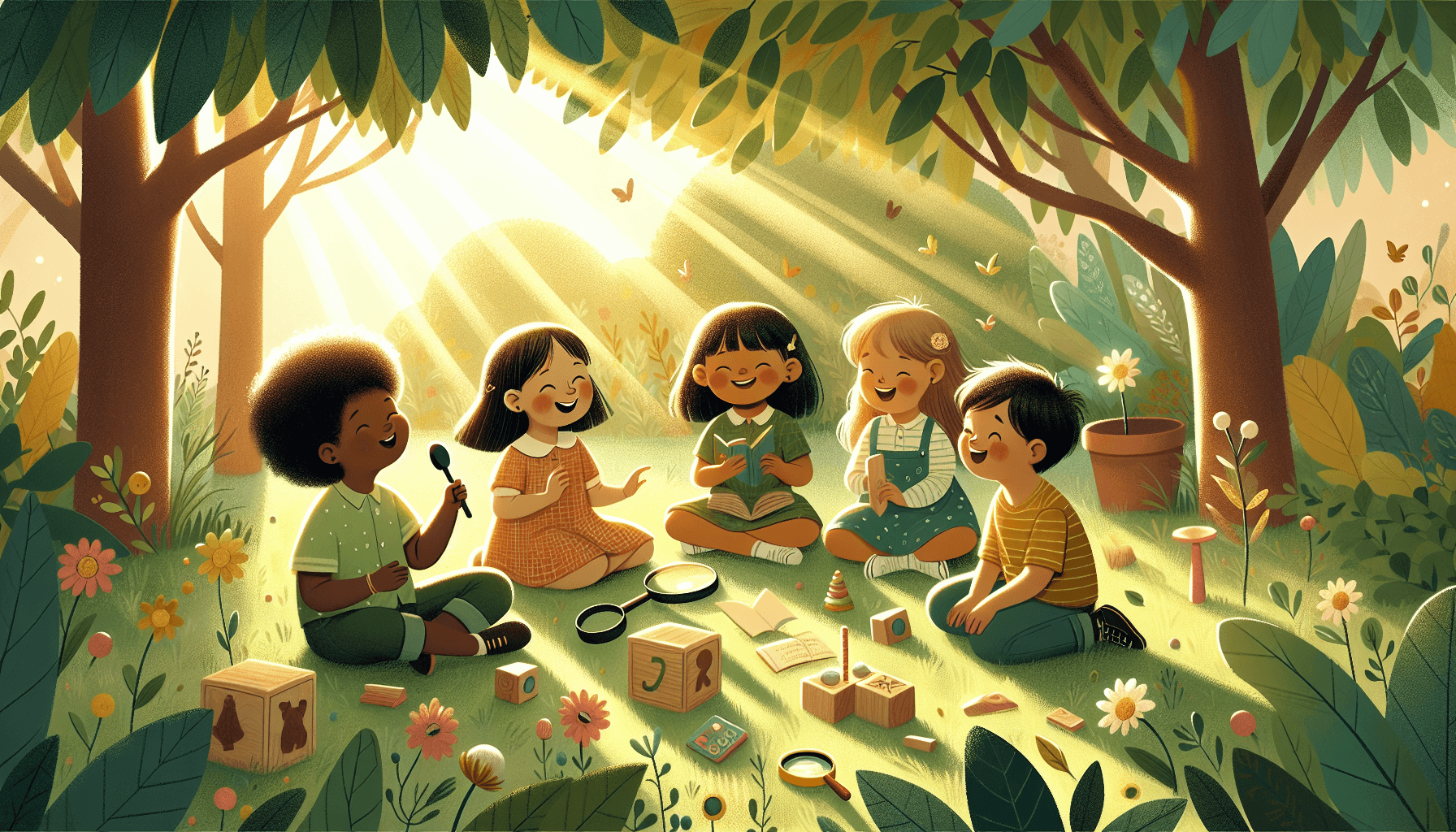
Listening is a crucial skill that children need to develop, especially in today's fast-paced world. But let's face it; sitting still and listening can be challenging for many young children. That's wh...
Listening is a crucial skill that children need to develop, especially in today's fast-paced world. But let's face it; sitting still and listening can be challenging for many young children. That's why we've compiled a list of ten fun listening games that you can play with kids aged three to twelve. These games will help them develop their listening skills while keeping them engaged and focused.
Incorporating Montessori play activities can further enhance children's listening skills.
For more ideas on nurturing curiosity in children, check out our guide on engaging activities.
- Simon Says
Simon Says is a classic game that kids of all ages love. This game requires players to follow instructions, but only if they hear "Simon says" at the beginning of the command. For example, "Simon says, touch your toes." This game encourages children to listen actively to the instructions and helps them learn to follow them carefully.
- Storytelling
Reading a storybook and asking questions afterwards is an excellent way to develop children's comprehension and listening skills. Choose a book that is age-appropriate, and read it aloud to the children. Then, ask questions related to the story to see if they understand what they heard. This activity is not only educational but also a great bonding experience for adults and children alike.
- Telephone Game
The Telephone Game is a classic listening game that can be played in a group. The game involves whispering a message from one person to another in a circle, and the last person repeats the message out loud to the group. This game helps children practice their listening and memory skills.
- Sound Hunt
Take children on a walk and ask them to listen to different sounds around them. For example, they might listen to birds chirping or the sound of a fountain. This game can be adjusted by asking children to listen for specific sounds or identifying where a sound is coming from.
- Musical Chairs
Musical Chairs is a game that requires children to listen carefully for when the music stops. The game involves playing music while the children walk around chairs placed in a circle. When the music stops, the children must quickly sit in a chair. The child who does not find a seat is out of the game, and the game continues until one child remains.
- I Spy
"I Spy" is a classic listening game that is simple but highly effective. One person says, "I spy with my little eye something that is..." and describes an object they see. The other players must listen and guess what object the person is talking about.
- Listening Walk
A Listening Walk is an excellent activity for developing listening skills in a different environment, and it is a bit similar to the Sound Hunt game. Take the children on a walk and ask them to listen to the different sounds they hear, such as birds chirping, cars passing by, or people talking. This game helps children focus on their listening skills in a new environment.
- Clap and Repeat
Clap and Repeat is a game that can be made more complex as children become more skilled at it. Clap a simple rhythm, and ask the children to repeat it back. Increase the complexity of the rhythm as the game progresses.
- What's Missing?
"What's Missing?" is a game that can help develop memory and listening skills. Place different items on a tray and let the children study them for a few seconds. Then, cover the tray and remove one item. Ask the children to listen carefully and guess which item is missing.
- Guess the Sound
Playing different sounds, such as animal sounds or musical instruments, and asking children to guess what the sound is, is a fun way to help children develop their auditory discrimination skills. This game can be a great way to start conversations and spark an interest in different animals or musical instruments.
In conclusion, listening skills are crucial for children's academic, social, and emotional development. Active listening skills are essential for understanding instructions, following directions, and effectively communicating with others. The ten fun listening games that we've discussed above can help children of different ages develop their listening skills in a fun and engaging way.
To explore how different types of play impact child development, visit our article on play benefits.
Playing these games not only improves listening skills but also helps children build other important skills, such as memory, concentration, and communication. By incorporating these games into daily activities, parents and educators can help children develop their listening skills in a stress-free environment. This will ensure that children are better equipped to succeed in different areas of their lives and become effective communicators and collaborators.
Frequently Asked Questions
What are some benefits of listening games for kids?+
Listening games help children improve their attention, memory, and communication skills. They also make learning fun and interactive.
Illustrations created with AI image tools from our own prompts, curated and edited by our team. How we make things
Join our weekly newsletter
Framework-grounded ideas for parents and educators, every Thursday.