Montessori
Create a Montessori Home Environment for Kids
Liliya Taneva6 min read
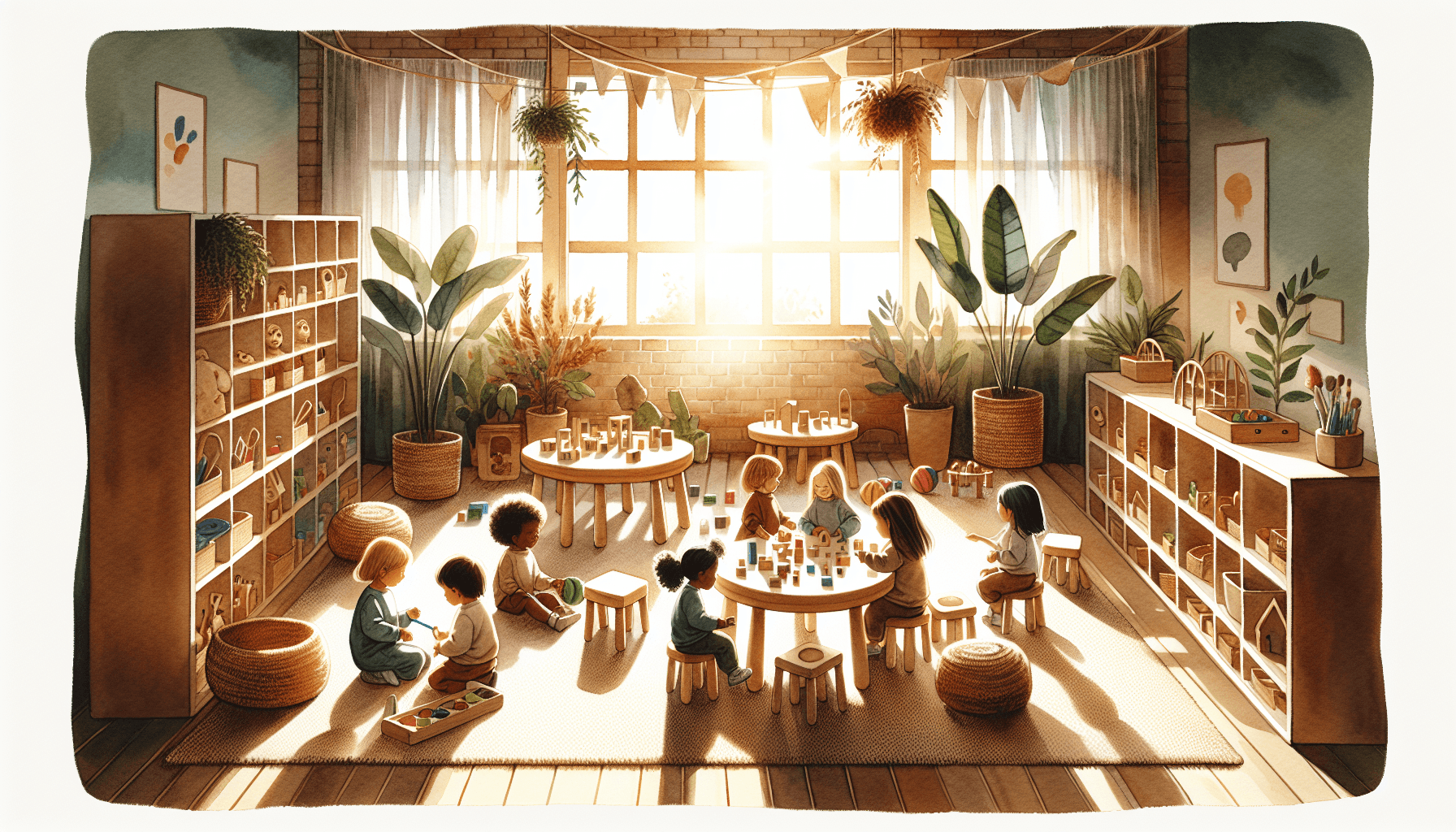
Create a Montessori home environment to encourage hands-on learning and independence, boosting your child's creativity and growth.
Montessori education is not just limited to the classroom - you can also create a Montessori-friendly home environment that fosters your child's independence, creativity, and learning. In this post, we will provide tips on creating a Montessori-friendly home environment, helping your child develop the skills they need to become confident, independent learners.
Minimize screen time to encourage real-world experiences. Montessori education emphasizes hands-on activities. Too much screen time can interfere with this. Limit screen time and provide opportunities for physical activity and exploration. This approach encourages learning and development through real-world experiences.
Montessori education values hands-on learning. You can support this by providing materials and activities that let your child explore through their senses. Try sensory bins, nature walks, and art projects. These activities help develop cognitive, social, and emotional skills in a fun way.
A prepared environment is organized and accessible. Set up designated spaces for different activities like reading, art, or sensory play. A well-organized space helps your child focus and engage in learning activities.
Montessori education values natural materials like wood, metal, and fabrics. Choose wooden toys and furniture. Provide natural materials for art and sensory activities. Use real dishes and utensils for meals. These choices help your child develop a love for the natural world and encourage hands-on experiences.
Montessori education emphasizes independence. At home, you can support this by letting your child do things on their own. Use low shelves or baskets for toys and materials. Provide child-sized furniture and let your child help with household tasks. Encouraging independence helps your child build self-confidence and self-reliance.
Here are some tips on how to create a Montessori-friendly home environment:
Encourage independence:
Montessori education strongly emphasises independence, and you can support this at home by providing opportunities for your child to do things on their own. This can include having low shelves or baskets for toys and materials that your child can access easily, providing child-sized furniture, and allowing your child to help with household tasks. By encouraging your child to be independent, you are helping them develop a sense of self-confidence and self-reliance that will serve them well throughout their lives.
Use natural materials:
Montessori education values natural materials, such as wood, metal, and fabrics, which promote a connection to the natural world. Consider choosing wooden toys and furniture, providing natural materials for art and sensory activities, and using real dishes and utensils for meals. By surrounding your child with natural materials, you are helping them to develop a love and appreciation for the natural world, and encouraging them to engage in hands-on, sensory experiences.
Create a prepared environment:
Montessori education is based on the concept of a prepared environment, where everything is organised and accessible to the child. Consider having designated spaces for different activities, such as a reading nook, an art station, or a sensory bin. By creating a well-organised and visually appealing environment, you are helping your child to focus and engage in activities that promote learning and development.
Focus on hands-on learning:
Montessori education values hands-on learning, and you can incorporate this into your home environment by providing materials and activities that allow your child to explore and learn through their senses. This can include sensory bins, nature walks, and art projects. By providing your child with opportunities to engage in hands-on learning, you are helping them develop their cognitive, social, and emotional skills in a fun and engaging way.
Minimise screen time:
Montessori education emphasises hands-on, real-world experiences; too much screen time can interfere with this. Consider limiting your child's screen time and providing plenty of physical activity and exploration opportunities. By minimising screen time, you are encouraging your child to engage in real-world experiences that promote learning and development.
Creating a Montessori-friendly home environment provides your child with a space that fosters independence, creativity, and learning. You can create a home environment that supports your child's development and growth by encouraging independence, using natural materials, creating a prepared environment, focusing on hands-on learning, and minimising screen time. Remember, Montessori education is about helping children become confident, independent learners who can engage meaningfully with the world around them. Incorporating Montessori principles into your home environment can help your child develop the skills they need to become successful and happy adults.
Montessori education emphasizes independence. You can support this by letting your child do things on their own. Use low shelves or baskets for toys and materials. Provide child-sized furniture and let your child help with household tasks. Encouraging independence helps your child build self-confidence and self-reliance.
Montessori education values natural materials like wood, metal, and fabrics. Choose wooden toys and furniture. Provide natural materials for art and sensory activities. Use real dishes and utensils for meals. These choices help your child develop a love for the natural world and encourage hands-on experiences.
Creating a Montessori home environment involves thoughtful choices that promote your child's growth. From organizing spaces to selecting materials, each decision supports their learning journey.
Here are some tips to create a Montessori-friendly home:
Encourage independence:
Let your child do things on their own. Use low shelves or baskets for toys and materials. Provide child-sized furniture. Let your child help with household tasks. Encouraging independence builds self-confidence and self-reliance.
Use natural materials:
Choose wooden toys and furniture. Provide natural materials for art and sensory activities. Use real dishes and utensils for meals. Surrounding your child with natural materials helps them develop a love for the natural world and encourages hands-on experiences.
Create a prepared environment:
Organize spaces for different activities like reading, art, or sensory play. A well-organized space helps your child focus and engage in learning activities.
Focus on hands-on learning:
Provide materials and activities that let your child explore through their senses. Try sensory bins, nature walks, and art projects. These activities help develop cognitive, social, and emotional skills in a fun way.
Minimize screen time:
Limit screen time and provide opportunities for physical activity and exploration. This encourages learning and development through real-world experiences.
Create a home environment that supports your child's growth. Encourage independence, use natural materials, and organize spaces. Focus on hands-on learning and limit screen time. These steps help your child develop skills for a happy, successful life.
For more ideas on setting up a Montessori home, check out our Montessori Home Ideas for Child-Centered Growth.
Create a prepared environment
A prepared environment is key in Montessori education. Organize spaces for different activities like reading, art, or sensory play. Keep everything accessible and orderly. This setup helps your child focus and engage in learning.
Parents looking for hands-on ideas can explore our sensory play guide for age-appropriate activities.
Incorporating sensory play benefits for child development can enhance your child's learning experience at home.
Focus on hands-on learning
Montessori education values hands-on learning. You can support this by providing materials and activities that let your child explore through their senses. Try sensory bins, nature walks, and art projects. These activities help develop cognitive, social, and emotional skills in a fun way.
Frequently Asked Questions
What are some Montessori-friendly activities for toddlers?+
Montessori-friendly activities for toddlers include sorting and matching games, simple puzzles, sensory bins, and practical life activities like pouring and scooping. These activities promote independence and sensory exploration.
How can I create a Montessori-inspired play area at home?+
To create a Montessori-inspired play area, use low shelves for easy access, incorporate natural materials like wooden toys, and designate specific areas for different activities such as reading, art, and sensory play.
Why is minimizing screen time important in a Montessori home environment?+
Minimizing screen time is important because Montessori education emphasizes real-world, hands-on experiences that foster learning and development. Reducing screen time encourages children to engage more in physical and sensory activities.
Illustrations created with AI image tools from our own prompts, curated and edited by our team. How we make things
Tags
Join our weekly newsletter
Framework-grounded ideas for parents and educators, every Thursday.