Montessori
Montessori Play: Fostering Child Development
Lilia Taneva2 min read
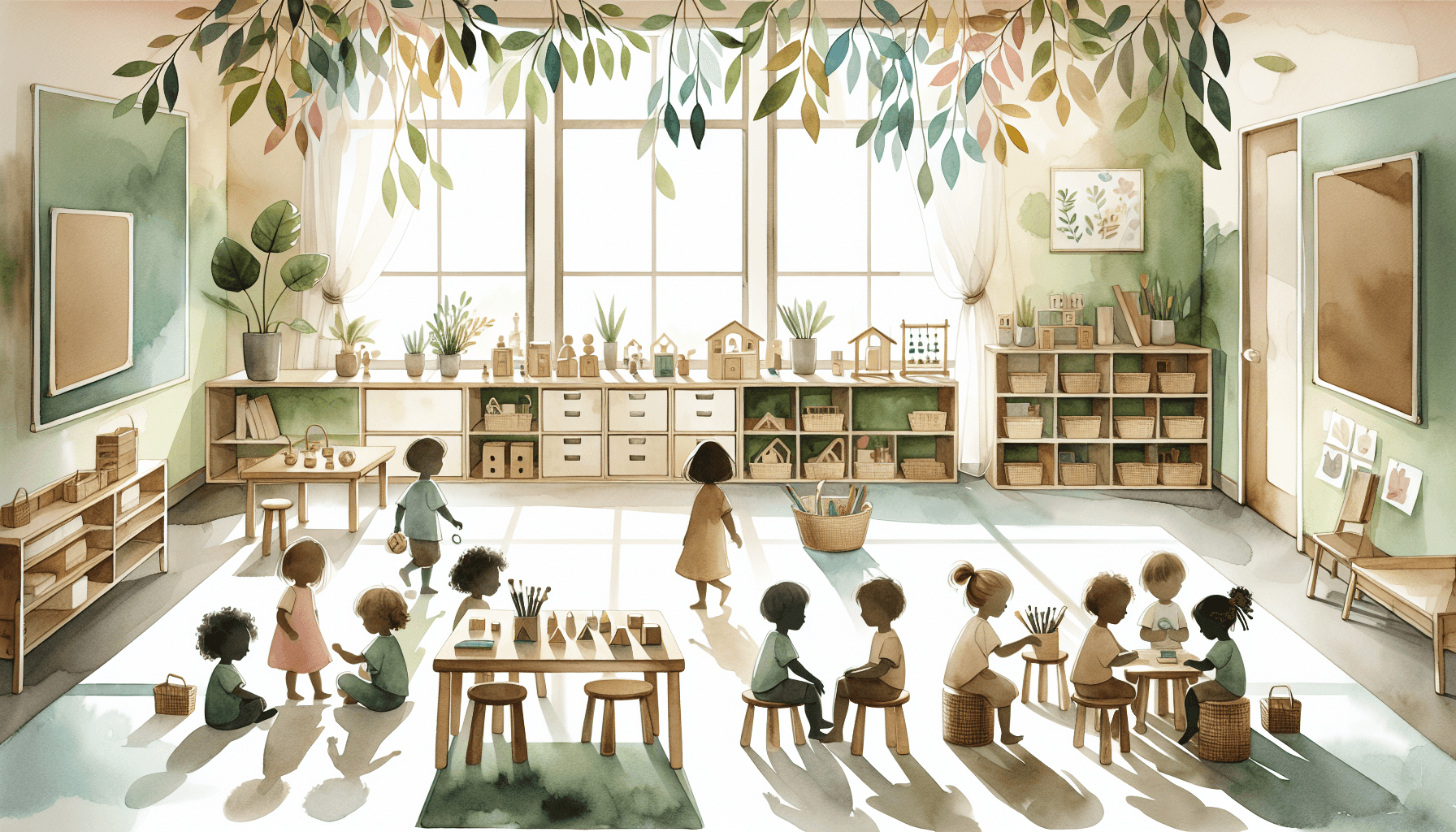
Explore how the Montessori play approach enhances child development through engaging activities, fostering growth and learning.
Imagine a learning environment where your toddler is bustling with curiosity, exploring activities designed just for them. This is a glimpse into a Montessori classroom, where play isn't just encouraged, it's part of the educational journey.
Montessori play is more than just fun; it's a structured way to learn. By engaging in play, children develop critical thinking and problem-solving skills. This approach helps them grow into independent and confident individuals.
Parents looking for hands-on ideas can explore our sensory play guide for age-appropriate activities.
Montessori: Learning Through Exploration
In Montessori classrooms, children explore their interests. They choose activities that fascinate them, sparking a love for learning. The classroom setup encourages independence and creativity. Children use materials that boost their self-motivation and imagination, vital for mental and emotional growth.
Montessori classrooms also offer excellent opportunities for sensory play benefits for child development.
Practical Skills and Independence
Montessori education focuses on building practical life skills. Activities like sweeping or pouring aren't just chores. They help children become independent. When kids do these tasks, they learn responsibility and improve their motor skills and concentration. This play-based learning makes them feel capable and reduces the need for adult help.
Balancing Parental Involvement
Parenting can feel overwhelming, and many parents want to be part of every aspect of their child's life. However, Montessori encourages children to be independent, giving parents a chance to step back. Let your child try Montessori-inspired play at home. Simple games like sorting or matching teach skills and create a peaceful home environment.
For parents interested in merging fun with education, our Playful Learning guide offers great insights.
Parents seeking to nurture their child's curiosity can explore our Nurturing Curiosity guide for more tips.
Enhanced Outcomes and Joy
Studies show that Montessori methods improve educational outcomes. This approach reduces costs linked to traditional education while increasing children's joy in learning. Parents see their children learn core concepts with genuine interest and excitement.
Frequently Asked Questions
How can I introduce Montessori play at home?+
Start by setting up a simple play area with activities that encourage exploration and independence, such as sorting games or practical life tasks like pouring.
What are the benefits of Montessori play for my child?+
Montessori play promotes independence, enhances cognitive and emotional growth, and fosters a love for learning through engaging activities.
Illustrations created with AI image tools from our own prompts, curated and edited by our team. How we make things
Tags
Join our weekly newsletter
Framework-grounded ideas for parents and educators, every Thursday.