Play & Learning
Playful Learning: Fun and Education Combined
Liliya Taneva3 min read
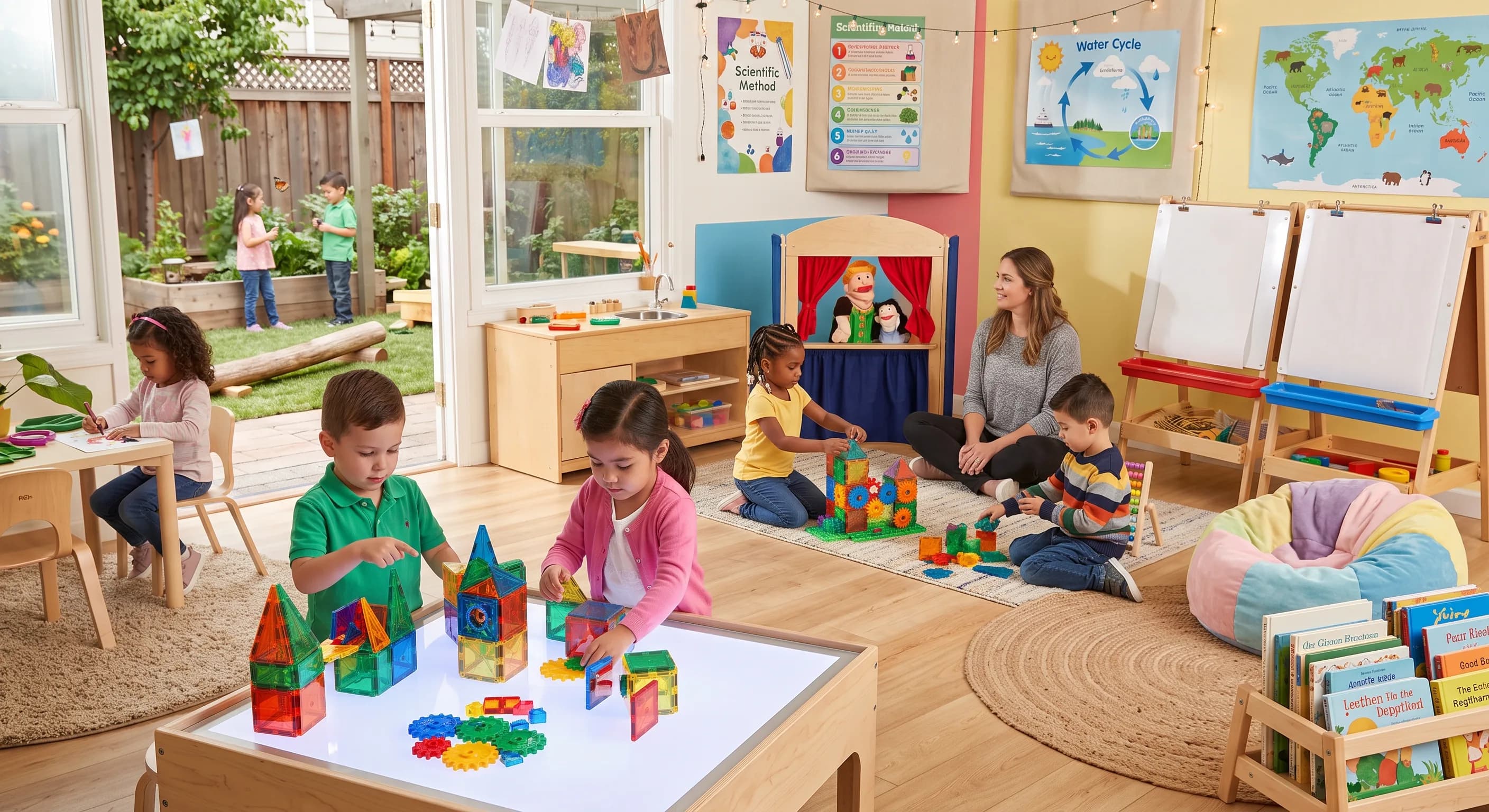
Discover how playful learning transforms education into a fun and effective experience for children. Engage young minds with innovative activities!
Playful learning is an innovative approach to education that integrates educational concepts into playful activities. It is based on the idea that learning should be fun and engaging and that children should be encouraged to explore and discover new things. Playful learning encourages children to use their imagination and creativity to explore the world around them. It also encourages them to think critically and develop problem-solving skills. Through playful learning, children can develop a deeper understanding of the world and gain valuable skills that will help them succeed in school and in life.
Playful learning not only makes education enjoyable but also helps children develop essential skills for their future.
Playful learning is a new way to teach that combines fun with learning. It makes education enjoyable and encourages kids to explore and discover. This approach helps children use their imagination and creativity. They learn to think critically and solve problems. By engaging in playful learning, children understand the world better and gain skills for school and life.
Parents can also use sensory play ideas for preschoolers to enhance playful learning at home.
How to Incorporate Playful Learning into the Classroom: Tips and Strategies for Teachers
Playful learning keeps students engaged and helps them develop key skills. Here are some tips for teachers to make learning fun: Use games to make learning exciting. They can help review material, practise problem-solving, and introduce new topics. Technology can make learning interactive. Use online games, virtual reality, and other tools to engage students. Hands-on experiences make learning engaging. Plan field trips, invite guest speakers, and organise activities to help students learn. Teamwork is vital in playful learning. Use group activities and projects to promote collaboration. Make learning relevant by using real-world examples. Discuss current events and local issues to connect lessons to students' lives.
Exploring the Benefits of Playful Learning for Early Childhood Development
Play is crucial for young children. It helps them learn and grow. Playful learning supports cognitive, physical, social, and emotional development. It boosts cognitive skills as children explore, solve problems, and understand the world. They also practise language skills by communicating and telling stories. It enhances physical abilities. Children develop motor skills like running, jumping, drawing, and manipulating objects. It fosters social skills. Play teaches children to interact, share, take turns, and resolve conflicts. It builds emotional skills. Children express themselves, manage emotions, and develop empathy through play. Overall, playful learning is essential for growth. Parents and educators should provide these opportunities.
Creative Ways to Use Playful Learning to Enhance STEM Education
STEM education is vital today. Playful learning can make it more engaging. Here are some creative ways to use it:
Hands-on activities let students explore concepts. They can build models or construct robots, making engineering and robotics tangible.
Games teach various topics like maths and physics. Students can play games that involve building bridges or robots, helping them grasp engineering concepts.
Playful learning also promotes collaboration and problem-solving. Students work together on puzzles or tasks, encouraging critical thinking and teamwork.
For more ideas on engaging students with STEM activities, check out our STEM Adventures article.
For more ideas on how to incorporate playful learning at home, explore our Essential Practical Activities for Kids at Home & School article.
To explore more about the benefits of sensory activities, read our article on Fun Sensory Activities for Preschool Learning.
Conclusion
Playful learning is an effective way to engage children in learning and to help them develop important skills. It encourages creativity, problem-solving, and critical thinking, while also providing an enjoyable and engaging experience. By integrating educational concepts into playful activities, children can learn in a fun and meaningful way. Playful learning is an important part of a child's development and should be encouraged in all educational settings.
Frequently Asked Questions
What is playful learning?+
Playful learning is an educational approach that combines learning with play. It encourages children to explore, discover, and learn through engaging activities.
How can teachers incorporate playful learning in the classroom?+
Teachers can use games, technology, hands-on experiences, collaboration, and real-world examples to incorporate playful learning in the classroom.
Why is playful learning important for early childhood development?+
Playful learning supports cognitive, physical, social, and emotional development, helping children learn essential skills for their growth.
Illustrations created with AI image tools from our own prompts, curated and edited by our team. How we make things
Tags
Join our weekly newsletter
Framework-grounded ideas for parents and educators, every Thursday.