Child Development
Nurturing Curiosity in Children: A Guide for Parents
Liliya Taneva4 min read
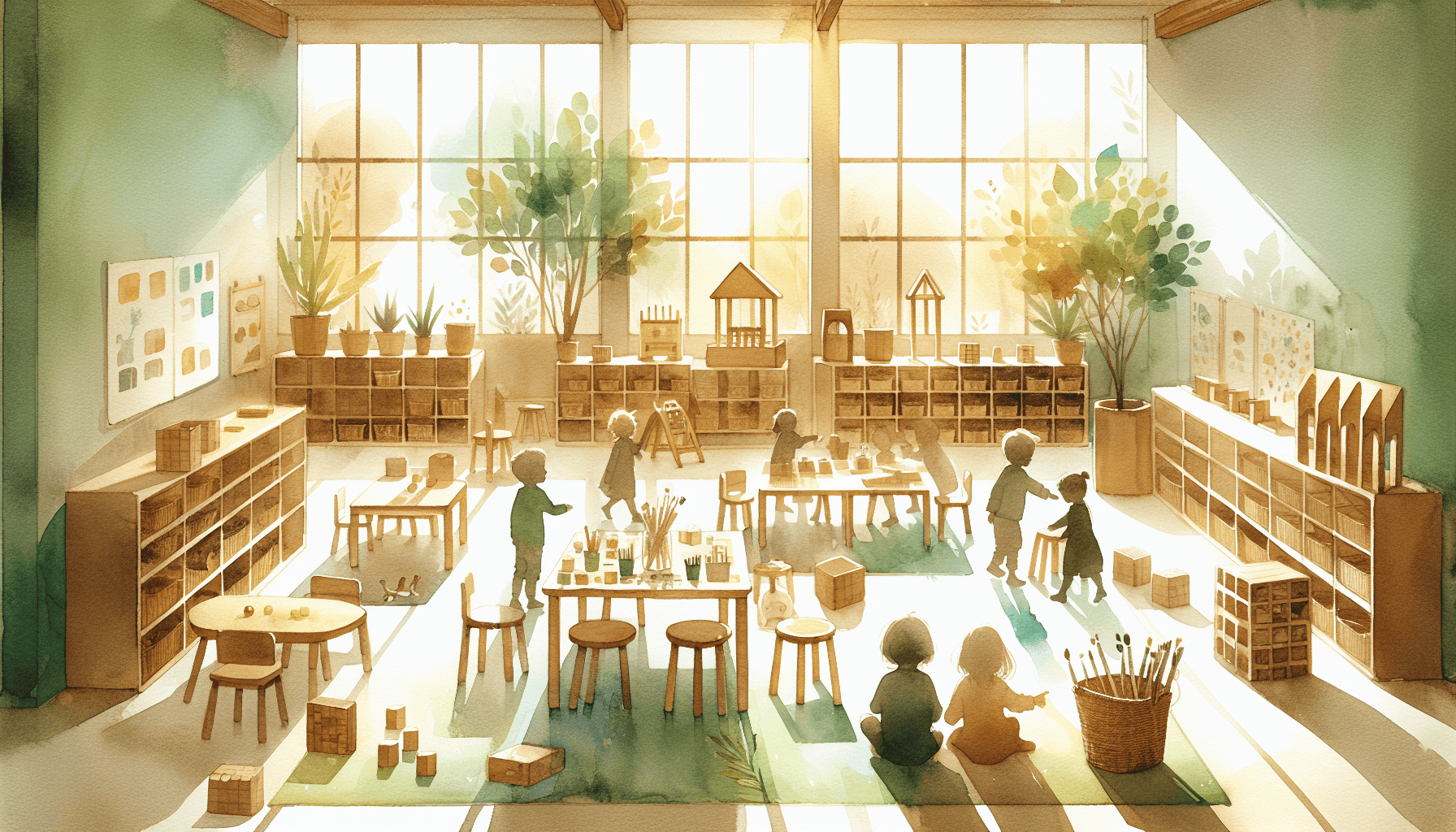
Curiosity in children is a key driver for learning and growth. Learn how to nurture this trait to help your child thrive.
As parents, we all want our children to succeed in life. We want them to be happy, healthy, and fulfilled. But one of the most important traits we can instil in them is curiosity. Curiosity is the foundation of learning, growth, and development. It is the driving force behind innovation, creativity, and problem-solving. So, how can we encourage our children to be curious? Here are some tips for nurturing curiosity in your child.
Curiosity helps us learn new things and understand others' feelings. It aids in problem-solving and exploring our environment. This leads to better decision-making. Curiosity also fosters creativity and innovation in solving problems or making discoveries.
Children learn by exploring their environment. They want to touch, taste, smell, and see everything around them. As parents, we can nurture curiosity by taking our children to new places and encouraging them to try new activities. Exploring and experimenting helps them learn about cause and effect, trial and error, and problem-solving.
Children naturally want to know how things work and why they happen. As parents, we can nurture this curiosity by asking questions. Ask your child what they think about something or how they would solve a problem. Engaging in conversation and asking open-ended questions can foster curiosity and develop critical thinking skills.
- Ask Questions
Children are naturally curious. They want to know how things work, why things happen, and what makes things tick. As parents, we can encourage this curiosity by asking questions. Ask your child what they think about something, how they would solve a problem, or what they would do differently. Engaging your child in conversation and asking open-ended questions can foster their curiosity and help them develop critical thinking skills.
- Provide Opportunities for Exploration
Children learn by exploring their environment. They want to touch, taste, smell, and see everything around them. As parents, we can provide opportunities for exploration by taking our children to new places, allowing them to try new foods, and encouraging them to try new activities. When children are given the chance to explore and experiment, they learn about cause and effect, trial and error, and problem-solving.
- Model Curiosity
Children learn by example. If you are curious and interested in the world around you, your child is more likely to be curious as well. Take the time to explore your own interests and share them with your child. Talk about what you are reading, watching, or learning. Encourage your child to ask questions and engage in conversation about the world around them.
- Encourage Creativity
Curiosity and creativity go hand in hand. When children are encouraged to be creative, they are more likely to be curious and vice versa. Provide your child with opportunities to draw, paint, build, and play. Encourage them to use their imagination and come up with their own ideas. When children are given the freedom to be creative, they are more likely to ask questions and explore the world around them.
- Embrace Failure
Curiosity involves taking risks and making mistakes. As parents, it can be hard to see our children fail or struggle. But it is important to remember that failure is a natural part of the learning process. Encourage your child to take risks and try new things, even if they might fail. Help them to see that failure is not a bad thing, but rather an opportunity to learn and grow.
Curiosity has several benefits:
-
It helps us figure out new things; this is one of the most important roles of curiosity in our lives. It also makes us more empathetic and understanding of other people's feelings and perspectives.
-
It helps us to solve problems, which are often related to learning new things.
-
It helps us explore our environment and understand how things work; this can lead to better decision-making.
-
It can make us more creative and innovative in solving problems or making discoveries.
To sum up, curiosity is one of the most important traits we can instil in our children. By asking questions, providing opportunities for exploration, modelling curiosity, encouraging creativity, and embracing failure, we can nurture our child's curiosity and help them develop critical thinking skills, problem-solving abilities, and a love of learning. So, let's encourage our children to be curious and watch as they change the world around them.
Nurturing curiosity in children is essential for their development and lifelong learning.
Encourage Creativity
Encouraging creativity can also involve exploring the benefits of artistic play as a way to nurture curiosity in children.
Parents looking for hands-on ideas can explore our sensory play guide for age-appropriate activities.
Provide Opportunities for Exploration
Parents can find inspiration for exploration in our article on exploring the wonders of nature with your child.
Frequently Asked Questions
How can I encourage my child's curiosity at home?+
You can encourage your child's curiosity by asking open-ended questions, providing opportunities for exploration, and modeling curiosity yourself. Encourage creativity and embrace failure as a learning opportunity.
Why is curiosity important for children?+
Curiosity drives learning, problem-solving, and creativity. It helps children understand their environment and develop empathy for others.
What activities can nurture curiosity in children?+
Activities like exploring nature, engaging in artistic play, and trying new experiences can nurture curiosity. Encourage your child to ask questions and think creatively.
Illustrations created with AI image tools from our own prompts, curated and edited by our team. How we make things
Tags
Join our weekly newsletter
Framework-grounded ideas for parents and educators, every Thursday.