Play & Learning
Physical Play: Enhance Gross Motor Skills & Fitness
Liliya Taneva3 min read
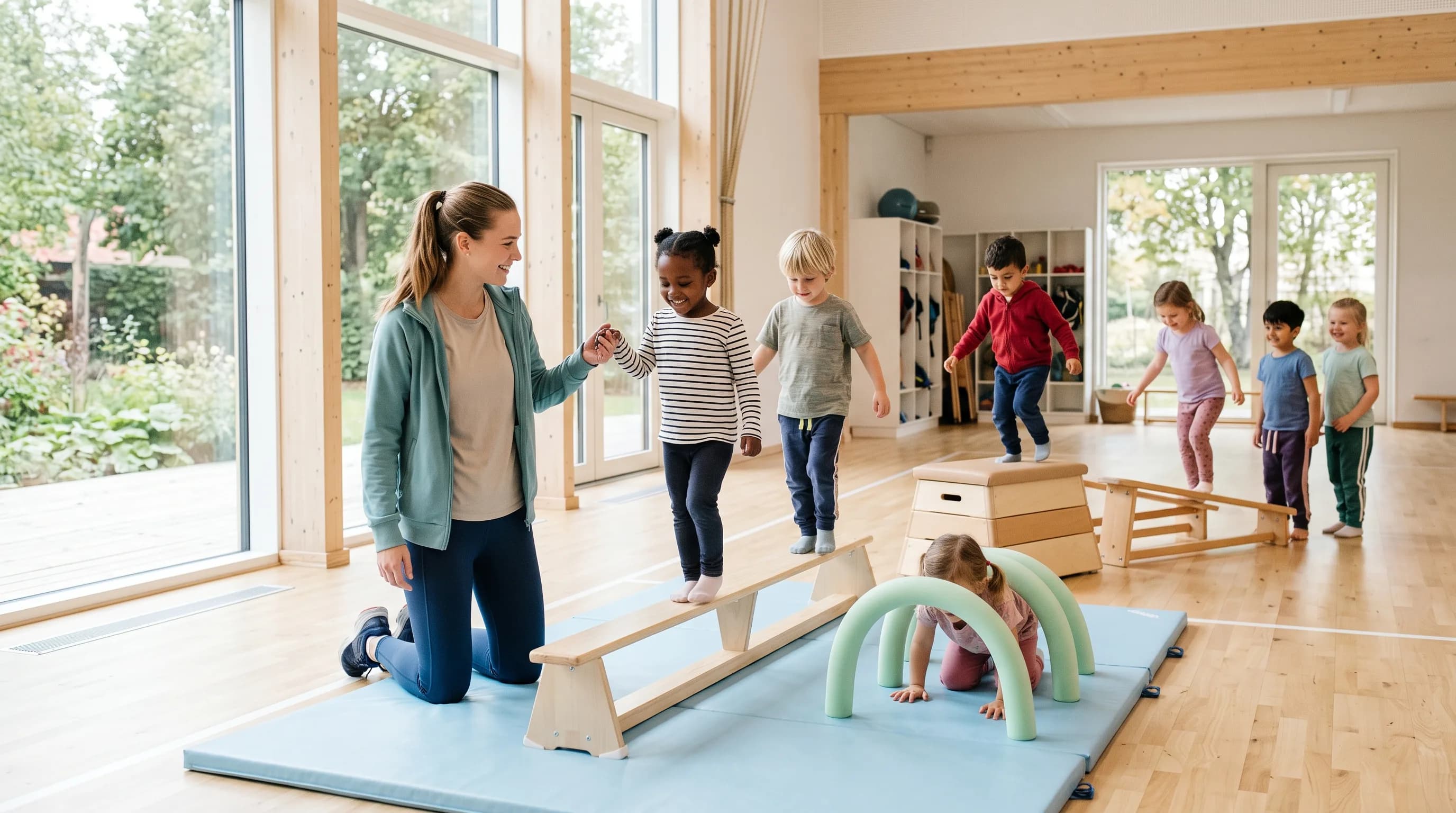
Discover how physical play boosts gross motor skills and fitness in children. Get practical tips for parents and educators to enhance development.
Hello, fellow early years educators and parents! Are you searching for ways to promote physical development and enhance gross motor skills in young children? Look no further - physical play is the answer! This blog post will explore the exciting world of physical play and its incredible benefits for children's gross motor skills and overall fitness. Get ready to dive into a world of movement, fun, and development!
Gross motor skills are crucial for children's development, allowing them to perform everyday activities like walking and playing.
The Benefits of Physical Play for Enhancing Gross Motor Skills in Children
Physical play is key to a child's growth. It boosts gross motor skills, which involve large muscles used for walking, running, and jumping. These skills are vital for physical development and well-being.
Physical play lets children practise these skills in fun ways. Activities like running, jumping, and throwing improve coordination, balance, and agility. It also builds strength and endurance.
Moreover, physical play aids social and emotional growth. Kids learn to interact, take turns, and follow rules, boosting confidence and self-esteem. It reduces stress and anxiety, allowing kids to express themselves and have fun.
Physical play also promotes healthy habits. Kids learn the value of staying active, which can lead to lifelong healthy habits.
How to Incorporate Physical Play into Your Child's Daily Routine
Physical play is vital for a child's growth. Adding it to their daily routine keeps them healthy and active. Here are some ideas:
At Home:
- Simon Says: This game is fun and helps kids follow instructions while moving. They jump, hop, spin, and march, improving listening and focus.
- Obstacle Course: Use items like cushions and cones to create a course. Kids can crawl under tables, jump over pillows, and balance on lines. This builds balance, coordination, and spatial awareness.
- Active Play: Games like tag, hide-and-seek, or ball play get kids moving.
At School:
- Dance Party: Clear space for dancing. Play music and let kids move freely. Dancing boosts motor skills, confidence, and self-expression.
- Animal Walks: Kids imitate animals like bears, frogs, and snakes. This boosts coordination, balance, and imagination.
With creativity, you can make physical activity fun and part of daily life.
The Role of Physical Play in Developing Overall Fitness in Children
Physical play involves any activity that gets kids moving. It helps develop gross motor skills through actions like running, jumping, climbing, and balancing.
Physical play boosts fitness by enhancing strength, endurance, and coordination. Kids build strength by climbing, lifting, and carrying. Running, jumping, and swimming improve endurance. Throwing, catching, and balancing enhance coordination. All these activities contribute to overall fitness, keeping kids healthy and active.
Physical activity also reduces obesity, heart disease, and diabetes risks. It improves mental health by lowering stress and anxiety. Additionally, it enhances social skills, encouraging interaction and relationship-building.
Parents, teachers, and caregivers should provide opportunities for physical play. Access to playgrounds, parks, and outdoor spaces is essential. Toys and equipment like balls and jump ropes encourage activity. Encourage participation in sports and dance classes too.
For parents interested in merging fun with education, our article on Playful Learning: Merging Fun with Education offers great insights.
If you're looking for more ways to engage your child, consider our Fun Sensory Activities for Preschool Learning for additional ideas.
Conclusion
Physical play is a powerful tool that enhances children's gross motor skills and overall fitness. Children develop strength, coordination, balance, and spatial awareness when engaging in physical play at home or school. Through activities like Simon Says, obstacle courses, dance parties, and animal walks, children improve their physical abilities and boost their confidence, social skills, and self-expression.
So, let's unleash the power of physical play and get those little bodies moving! By dedicating time to physical space, we are investing in the holistic development of our children - supporting their physical health, cognitive growth, and emotional well-being. So, let's jump, balance, dance, and play our way to a brighter, healthier future for our little ones!
Frequently Asked Questions
What are gross motor skills?+
Gross motor skills involve the large muscles used for activities like walking, running, and jumping. They are essential for physical development and overall well-being.
How can I encourage physical play at home?+
You can encourage physical play at home through games like Simon Says, creating obstacle courses, and promoting active play with activities like tag or ball games.
Why is physical play important for my child's development?+
Physical play is important because it enhances gross motor skills, boosts physical fitness, reduces stress, and promotes social and emotional development.
Illustrations created with AI image tools from our own prompts, curated and edited by our team. How we make things
Tags
Join our weekly newsletter
Framework-grounded ideas for parents and educators, every Thursday.