Child Development
Discovering science, patience, and empathy with caterpillars
Lilia Taneva2 min read
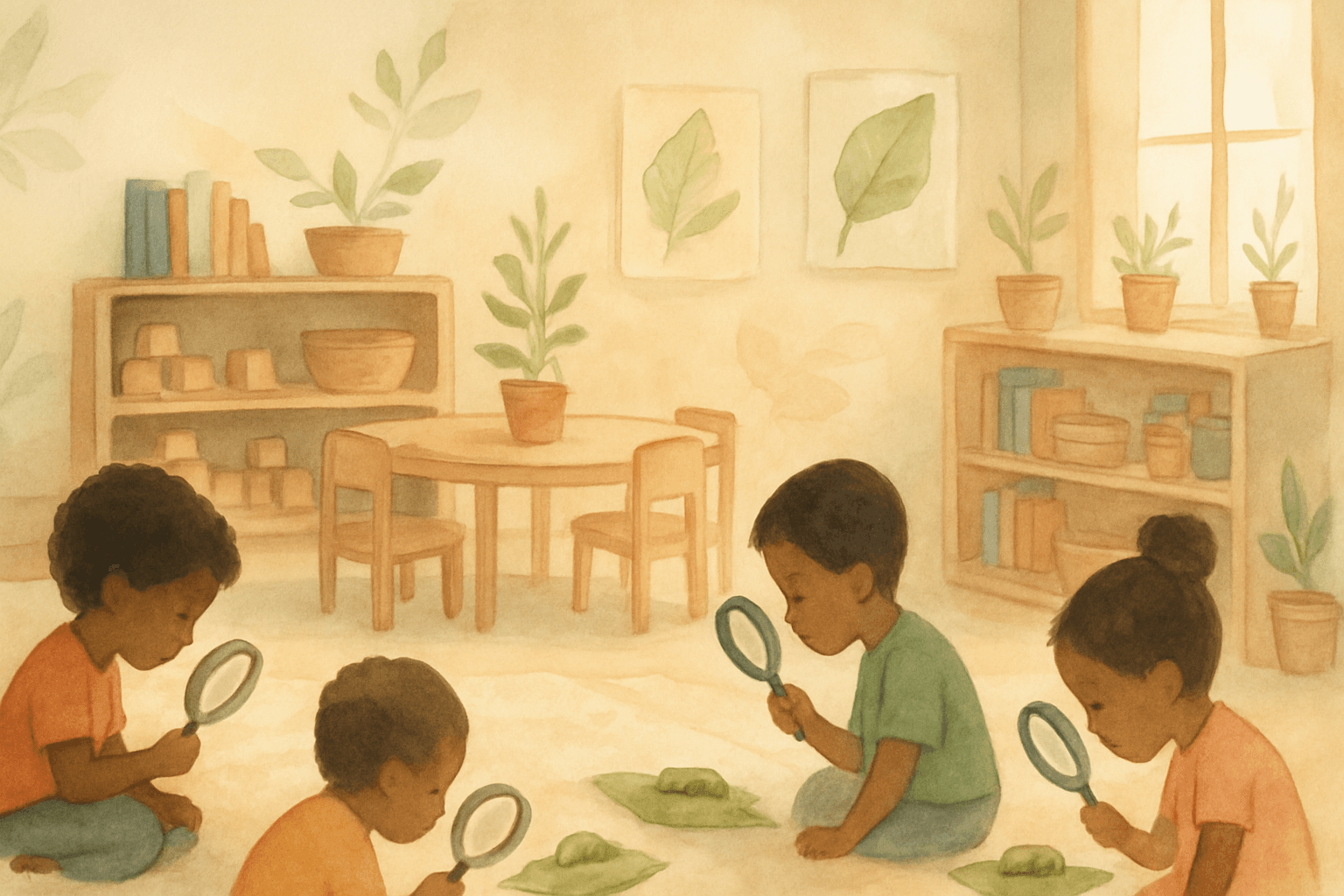
Explore how caterpillars can teach kids about science, patience, and empathy.
Exploring nature can be one of the best sensory activities for children, sparking curiosity and wonder. Watching a caterpillar transform into a butterfly captivates young minds, offering lessons in science, patience, and empathy.
Imagine a group of preschoolers gathered around a small caterpillar. Their eyes are wide with wonder as they watch it inch along a leaf. This simple scene is more than just a moment of curiosity; it's a powerful learning opportunity.
Discovering Science Through Caterpillars
Observing the life cycle of a caterpillar is a hands-on way for children to learn about nature. They witness transformation as the caterpillar grows, spins a cocoon, and emerges as a butterfly. This process introduces basic scientific concepts like metamorphosis and growth. By asking questions and making predictions, children develop critical thinking skills. They'll learn to observe closely, a fundamental part of scientific inquiry.
Cultivating Patience
The transformation of a caterpillar into a butterfly doesn't happen overnight. It requires time and patience, teaching children an important life lesson. Watching and waiting for the changes encourages kids to appreciate the value of patience. They learn that some things are worth waiting for and that growth takes time.
Fostering Kindness and Empathy
Caring for a caterpillar requires gentle hands and careful attention. This care fosters empathy, helping children understand the importance of kindness to all living things. Teaching children to be gentle with small creatures like caterpillars can build a foundation of empathy and compassion. As they nurture their tiny charges, children learn that protecting and respecting life is important.
Encouraging Curiosity and Discovery
The journey from caterpillar to butterfly sparks curiosity. Children naturally ask questions like "Why does it change?" or "How does it grow?" These questions lead to discovery and learning. Encouraging this curiosity supports a lifelong love of learning. It reminds children that the world is full of mysteries waiting to be explored.
Incorporating activities like creating paper towel caterpillars, as seen in Montessori Sensory Activities: Key Benefits, can make these lessons even more engaging. Such activities not only reinforce scientific concepts but also enhance fine motor skills.
By exploring the wonders of caterpillars, children gain more than just scientific knowledge. They learn patience, kindness, and a sense of curiosity that will serve them throughout their lives.
Conclusion
The humble caterpillar offers children a window into the world of science and the importance of kindness. Encourage your child to explore the natural world and watch as they discover the many lessons it has to offer.
Explore more about how different types of play positively impact child development in our article on Types of Play: Boosting Child Development.
Incorporating sensory activities like observing caterpillars helps children prepare for kindergarten by fostering curiosity and empathy. Discover more about sensory activities here and how different types of play boost development here.
Frequently Asked Questions
How do caterpillars teach children about science?+
Caterpillars demonstrate life cycles and metamorphosis, fostering observation and prediction skills in children.
What life skills do children learn from observing caterpillars?+
Children learn patience, empathy, and the value of caring for living things by observing and nurturing caterpillars.
How can I encourage my child's curiosity about nature?+
Engage them with activities like observing caterpillars and asking questions about their changes and growth.
How do caterpillars enhance sensory activities?+
Observing caterpillars engages multiple senses, helping children learn through sight, touch, and observation, which are key components of sensory activities.
Tags
Join our weekly newsletter
Framework-grounded ideas for parents and educators, every Thursday.