Child Development
Encouraging open-ended and sensory play for kids
Lilia Taneva3 min read
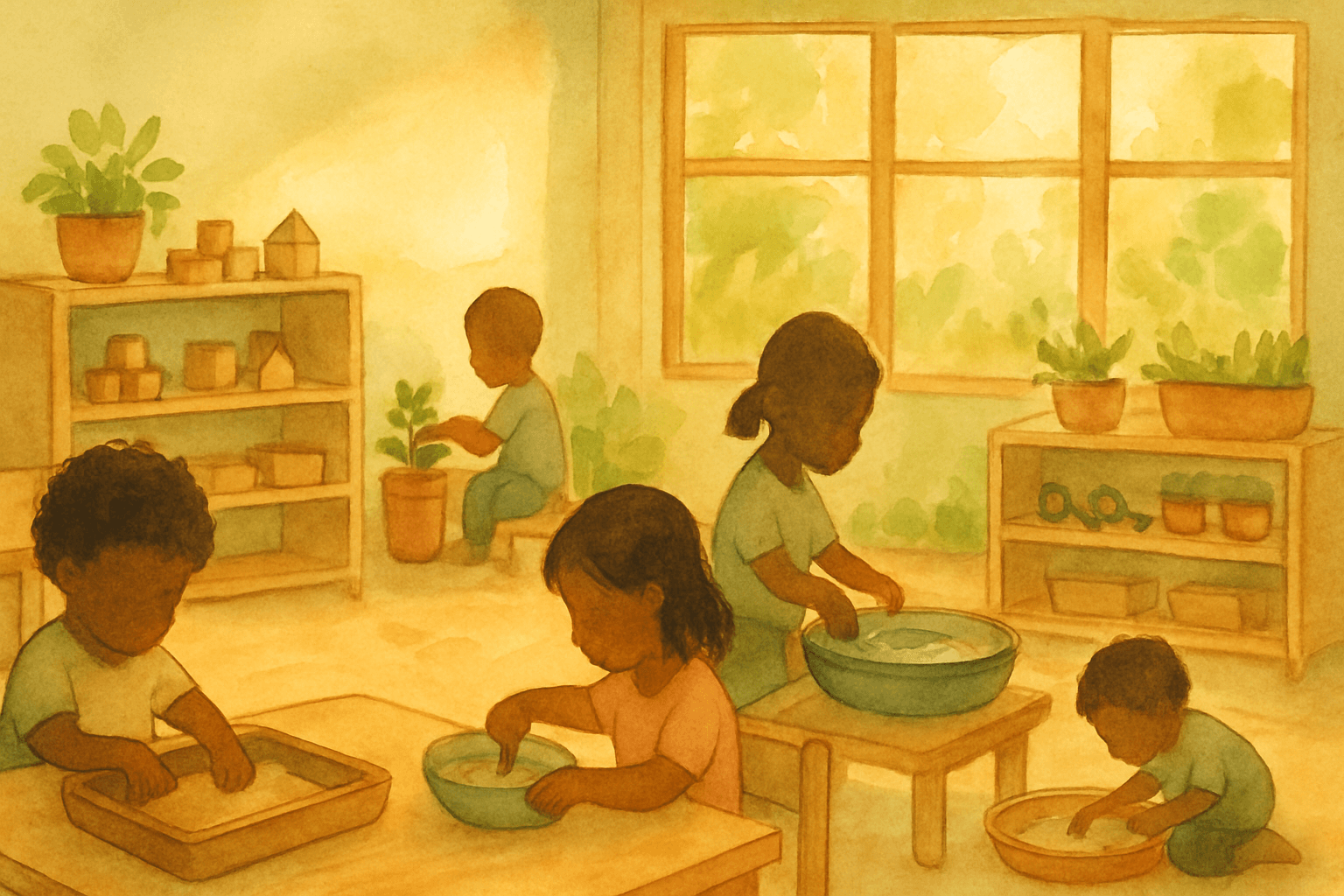
Explore how open-ended and sensory play enrich your child's development.
Incorporating sensory activities into your child's playtime can be a fun and educational experience. Have you ever considered how sensory play can enhance open-ended play? Combining these elements can offer a richer environment for your child's imagination and development.
Have you ever watched your child transform a simple cardboard box into a spaceship? This is the magic of open-ended play. It's about giving children the freedom to explore, create, and imagine without limits. Unlike structured play, which often has set rules and goals, open-ended play is all about the journey, not the destination.
What is Open-Ended Play?
Open-ended play is when kids engage with materials and activities in a way that is not predetermined. This type of play allows them to use their imagination and creativity without having to follow specific instructions. Whether it's building with blocks, painting without a final picture in mind, or engaging in imaginary play with costumes, the possibilities are endless. By allowing children to follow their interests and instincts, open-ended play supports independence and critical thinking.
Benefits of Open-Ended Play
Open-ended play is a powerhouse for development. It encourages creativity, as children must think outside the box to create and solve problems. This form of play also enhances language skills, as kids often narrate their actions or engage in dialogues as part of their scenarios. Social skills get a boost when children collaborate with peers during playtime, learning to negotiate and share. Open-ended play also fosters emotional intelligence, as children express themselves and explore different emotions through their narratives.
Encouraging Open-Ended Play at Home
You might wonder how to encourage open-ended play without overstepping. Start by providing materials that don't have a set purpose. Items like blocks, art supplies, dress-up clothes, and even natural items like sticks or stones can ignite creativity. Ask open-ended questions like "What do you think will happen if...?" or "How can you use this in your play?" These queries encourage children to think deeply and explore possibilities. For more ideas, check out our article on Building Confidence with Constructive Play.
Letting Go of Perfection
It's easy to feel awkward about open-ended play, especially if you're not sure how to join in. Remember, there's no right or wrong way to play. The goal is to connect with your child and support their development. Letting go of expectations allows both you and your child to enjoy the process. The key is to be present and engaged, showing your child that their ideas and explorations are valued.
Open-ended play might seem simple, but its impact on a child's development is profound. By fostering creativity, problem-solving, and social skills, you're giving your child the tools they need to thrive.
Conclusion
Encouraging open-ended play doesn't require fancy toys or elaborate setups. With a little creativity and the right mindset, you can create a world of learning and fun for your child. So grab some everyday objects and let your child's imagination soar.
To further explore different play methods that benefit child development, you might find our articles on Montessori Sensory Activities: Key Benefits and Types of Play: Boosting Child Development helpful. These resources offer additional insights into how various play styles can contribute to your child's growth.
Frequently Asked Questions
How can I support open-ended play at home?+
Provide a variety of materials like blocks and art supplies. Encourage creativity by asking open-ended questions.
What are the benefits of open-ended play?+
It boosts creativity, problem-solving, language, and social skills, and helps children express emotions.
Is open-ended play suitable for toddlers?+
Yes, it's perfect for toddlers as it fosters independence and allows them to explore their world creatively.
How do sensory activities enhance open-ended play?+
Sensory activities engage a child’s senses, enriching their open-ended play by adding layers of exploration and creativity.
Tags
Join our weekly newsletter
Framework-grounded ideas for parents and educators, every Thursday.