Parenting
Helping Young Children Cope with Separation Anxiety and Sensory Activities
Lilia Taneva2 min read
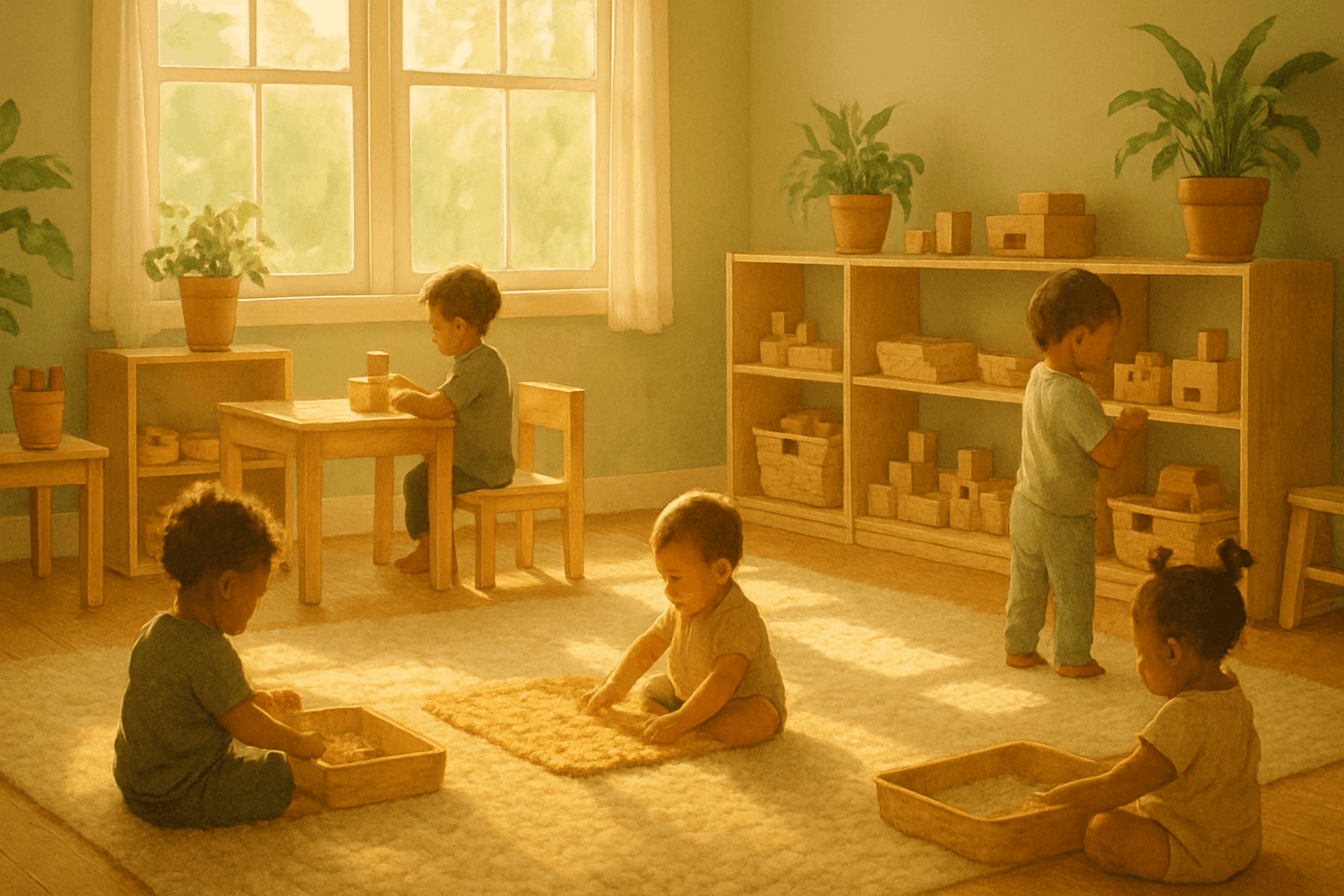
Help your child with separation anxiety using sensory activities for comfort.
Separation anxiety can be tough for both children and parents. One effective way to help your child feel more secure is through sensory activities. These activities engage their senses and provide comfort, making transitions smoother.
We've all been there. You're dropping off your child at daycare, and suddenly they're clinging to your leg as if you're leaving forever. It's heart-wrenching yet completely normal. Separation anxiety in young children is a common phase. It signifies a healthy attachment to caregivers and is a part of normal development.
Understanding Separation Anxiety
Separation anxiety typically begins around 8 to 24 months and can continue into early childhood. This anxiety arises when children realize that their parents or caregivers can be out of sight, and they haven't yet grasped that you'll return. It's comforting to know that this phase is a sign of a strong bond with you.
Strategies to Ease Anxiety
To ease separation anxiety, try creating a warm and predictable routine. A goodbye ritual, like a special handshake or phrase, can offer comfort and predictability. Keep your goodbyes short and sweet. The longer you linger, the harder it can be for your child. Project calmness; children take emotional cues from you. If you seem anxious, they will likely feel the same.
Helping Your Child Adjust
Introduce your child gradually to new environments. Spend time with them in the new setting before leaving. This helps them feel comfortable and safe. You can also bring along a favorite toy or blanket as a comforting reminder of home. Reassure them that you'll return, and they will soon understand that your absence is temporary.
When to Seek Help
Most children outgrow separation anxiety as they develop and gain confidence. However, if your child's anxiety seems severe or doesn't improve, it might be helpful to consult a professional. They can provide strategies tailored to your child's needs.
For more tips on dealing with early childhood challenges, check out our guide on Montessori Sensory Activities: Key Benefits.
Remember, you're not alone in this. Many parents experience the same heart-tugging moments. With patience and consistency, you'll help your child navigate through this phase with greater ease.
For more on fostering independence and confidence, explore our article on Building Confidence with Constructive Play.
For additional strategies on comforting your child, explore our article on Montessori Sensory Activities: Key Benefits and discover how Quiet Play Activities can enhance focus during transitions.
Frequently Asked Questions
How can I help my child with separation anxiety?+
Create a comforting goodbye ritual and keep goodbyes short. Reassure them that you'll return and help them adjust gradually to new settings.
When should I worry about my child's separation anxiety?+
If your child's anxiety is severe or doesn't improve over time, consider consulting a professional for personalized strategies.
How can sensory activities help with separation anxiety?+
Sensory activities engage your child's senses, providing a calming effect that can ease anxiety during separations.
Illustrations created with AI image tools from our own prompts, curated and edited by our team. How we make things
Tags
Join our weekly newsletter
Framework-grounded ideas for parents and educators, every Thursday.