School Readiness
Reception Year Prep: A Parent's Comprehensive Guide
Lilia Taneva2 min read
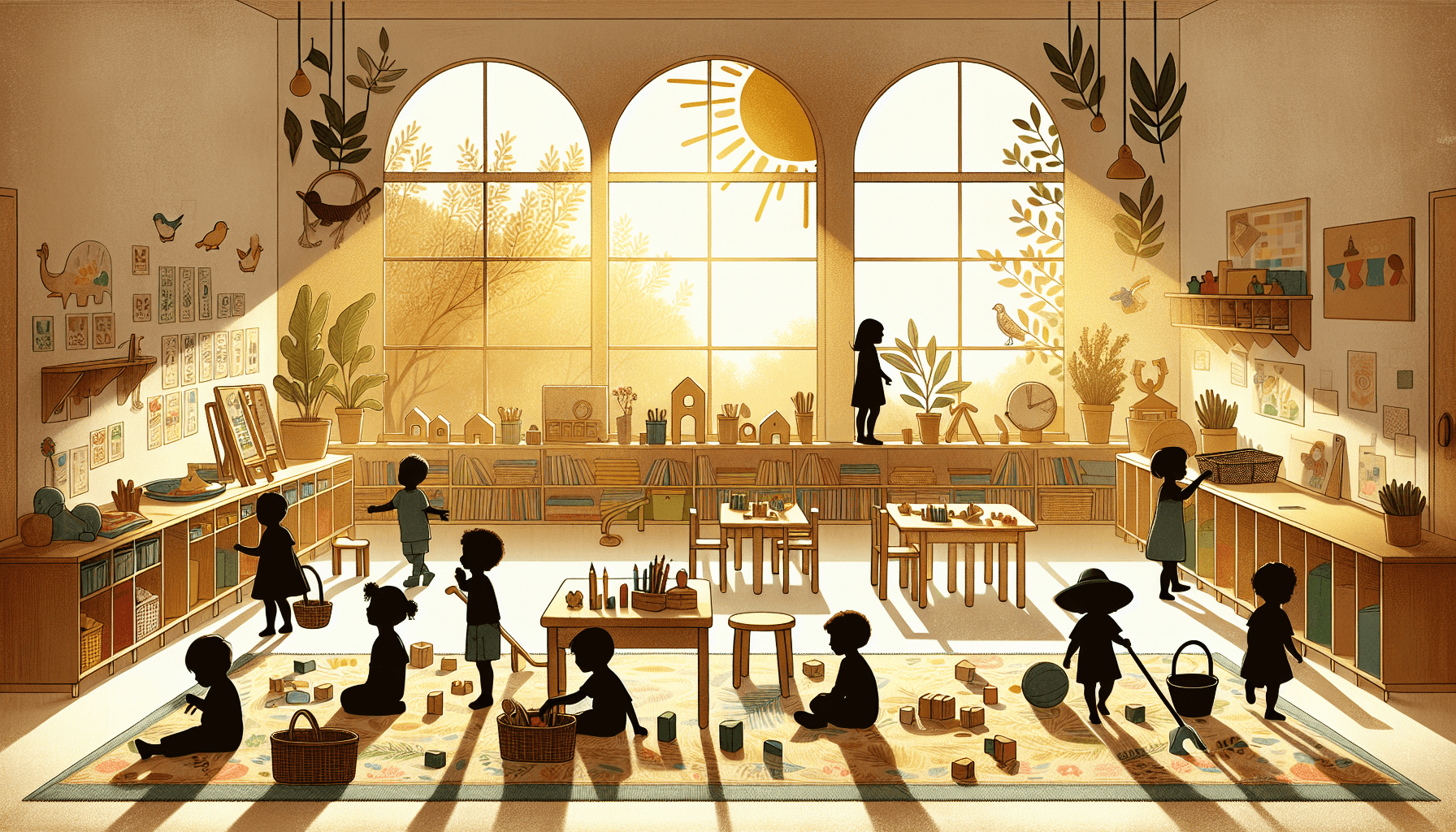
Help your child transition smoothly into reception with practical tips
Starting school is a big step for both children and parents. As your child prepares to enter their reception year, you might feel a mix of excitement and anxiety. It's natural to wonder how best to support them through this transition. The good news is, there are simple ways to help your child feel ready for this new chapter.
Encourage Independence
One of the best ways to prepare your child for reception is to foster their independence. Encourage them to dress themselves, manage their bathroom needs, and tidy up after playing. Simple tasks like these build confidence and self-reliance. When children feel capable, they're more likely to approach new situations with a positive attitude.
Establish a Routine
Creating a consistent daily routine can ease your child's transition into school life. Regular wake-up and meal times help your child understand what to expect each day. This predictability can be comforting, especially when everything else feels new. Discover the Seven Wonders of Early Childhood for more ideas on enriching daily routines.
Foster Social Skills
Reception is not only about academics; it's also a time for children to develop social skills. Arrange playdates or group activities where your child can practice sharing, taking turns, and communicating with peers. You can also role-play scenarios they might encounter at school, like asking to join in a game or sharing toys.
Keep a Positive Attitude
Children often mirror their parents' emotions. If you approach school with positivity, your child is likely to do the same. Talk about school as an exciting adventure rather than a daunting challenge. Avoid negative comments about school from your past, as these might influence your child's perspective.
Practical Skills
There are several practical skills that can help your child feel more comfortable at school. Encourage them to use cutlery, manage their belongings, and use simple phrases like "Can I play too?" These skills can boost their confidence and help them navigate the school environment more smoothly.
Starting reception is an important milestone, and with your support, it can be a joyful experience. By encouraging independence, establishing routines, fostering social skills, and maintaining a positive outlook, you're setting the foundation for a successful start to your child's educational journey.
For more ideas on how to encourage your child’s development, check out our article on Quiet Play Activities for Focus and Concentration.
Frequently Asked Questions
What skills should my child have before starting reception?+
Focus on basic self-care tasks like dressing, using the toilet, and tidying up. These skills build confidence for the school environment.
How can I help my child adjust to school routines?+
Establish consistent daily routines at home, including set meal and bedtimes, to help your child feel secure and prepared.
How do I encourage my child's social skills before school?+
Arrange playdates and practice sharing and taking turns. Role-playing school scenarios can also build confidence.
How can I help my child adjust to reception year?+
Being supportive, listening to their concerns, and providing opportunities for play and learning at home can help your child adjust smoothly.
What skills should my child have before starting reception?+
Basic skills like recognizing letters, numbers, and social interaction are beneficial. However, every child is unique, and a willingness to learn is most important.
How can play support my child's learning?+
Play enhances cognitive, social, and physical development. It helps children learn to solve problems, interact with peers, and develop fine and gross motor skills.
Tags
Join our weekly newsletter
Framework-grounded ideas for parents and educators, every Thursday.