Child Development
Boosting Fine Motor Skills in Preschoolers
Lilia Taneva2 min read
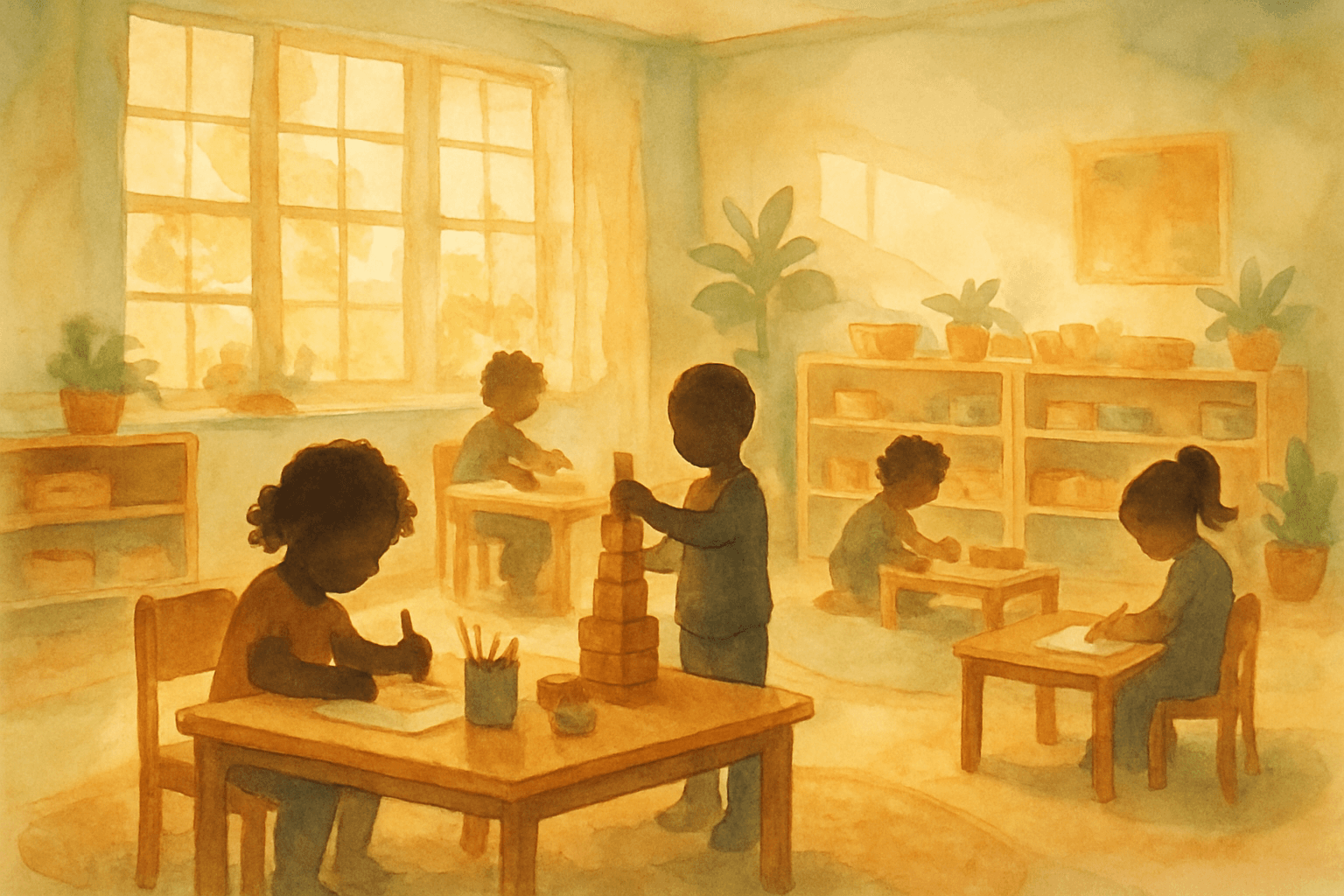
Practical ways to enhance your preschooler's fine motor skills
Imagine your preschooler, eager to button their own coat or draw a picture, but struggling to manage the small movements required. These are moments where developing fine motor skills becomes essential. Fine motor skills involve the coordination of small muscles in the hands and fingers, allowing children to perform everyday tasks like writing, eating, and dressing.
Why Fine Motor Skills Matter
Fine motor skills are foundational for a child's school readiness and independence. They enable children to engage in activities such as writing with a pencil, cutting with scissors, and even playing musical instruments. Mastery of these skills boosts confidence and prepares them for academic success. Without strong fine motor development, children may struggle with tasks like pencil grip and legible writing, impacting their self-esteem and school performance.
Everyday Activities to Enhance Skills
You can support your child's fine motor development through simple daily activities. Encourage them to set the table, use utensils during meals, and help with meal preparation by stirring or mixing. These tasks improve muscle strength and coordination. For more ideas, check out our article on Quiet Play Activities for Focus and Concentration.
Play-Based Learning
Play is a powerful way to develop fine motor skills. Activities like playing with playdough, cutting with child-safe scissors, and building with small blocks are effective and enjoyable. These activities not only strengthen the muscles but also improve hand-eye coordination, paving the way for academic learning. Encourage your child to draw or scribble with crayons and markers, which can enhance their ability to write letters and shapes.
Encouraging Independence
As children develop fine motor skills, they gain independence in tasks like dressing and personal hygiene. Encourage practices like buttoning, zipping, and snapping clothing, which can be both empowering and a great confidence booster. Through practice and encouragement, your child will become more self-reliant and ready for the next steps in their educational journey.
Fostering fine motor skills in young children is not only about preparing them for school but also about building their confidence and independence. Start incorporating these activities into your daily routine today and watch your child's abilities grow.
Another great way to support your child's fine motor skills is through constructive play. Engaging with building blocks can be both fun and educational. Learn more about how this can build confidence and skills here.
Frequently Asked Questions
How can I help my child develop fine motor skills?+
Engage your child in activities like drawing, cutting with scissors, and playing with blocks to strengthen their fine motor skills.
Why are fine motor skills important for preschoolers?+
Fine motor skills are crucial for tasks like writing and dressing, supporting school readiness and building independence.
What are some fun activities to improve fine motor skills?+
Activities like playing with playdough, building with small blocks, and drawing can effectively enhance fine motor skills.
What are fine motor skills?+
Fine motor skills involve the coordination of small muscles, like those in the hands and fingers, to perform tasks such as writing, buttoning, and cutting with scissors.
How can I help my child develop fine motor skills?+
Engage your child in activities like drawing, playing with playdough, and using child-safe scissors to cut paper. These activities encourage hand-eye coordination and dexterity.
Why are fine motor skills important for preschoolers?+
Developing these skills is crucial for preschoolers as it prepares them for school tasks such as writing and using tools, which are essential for academic success.
Tags
Join our weekly newsletter
Framework-grounded ideas for parents and educators, every Thursday.