Education
Reception Year Prep: Key Strategies for Success
Lilia Taneva3 min read
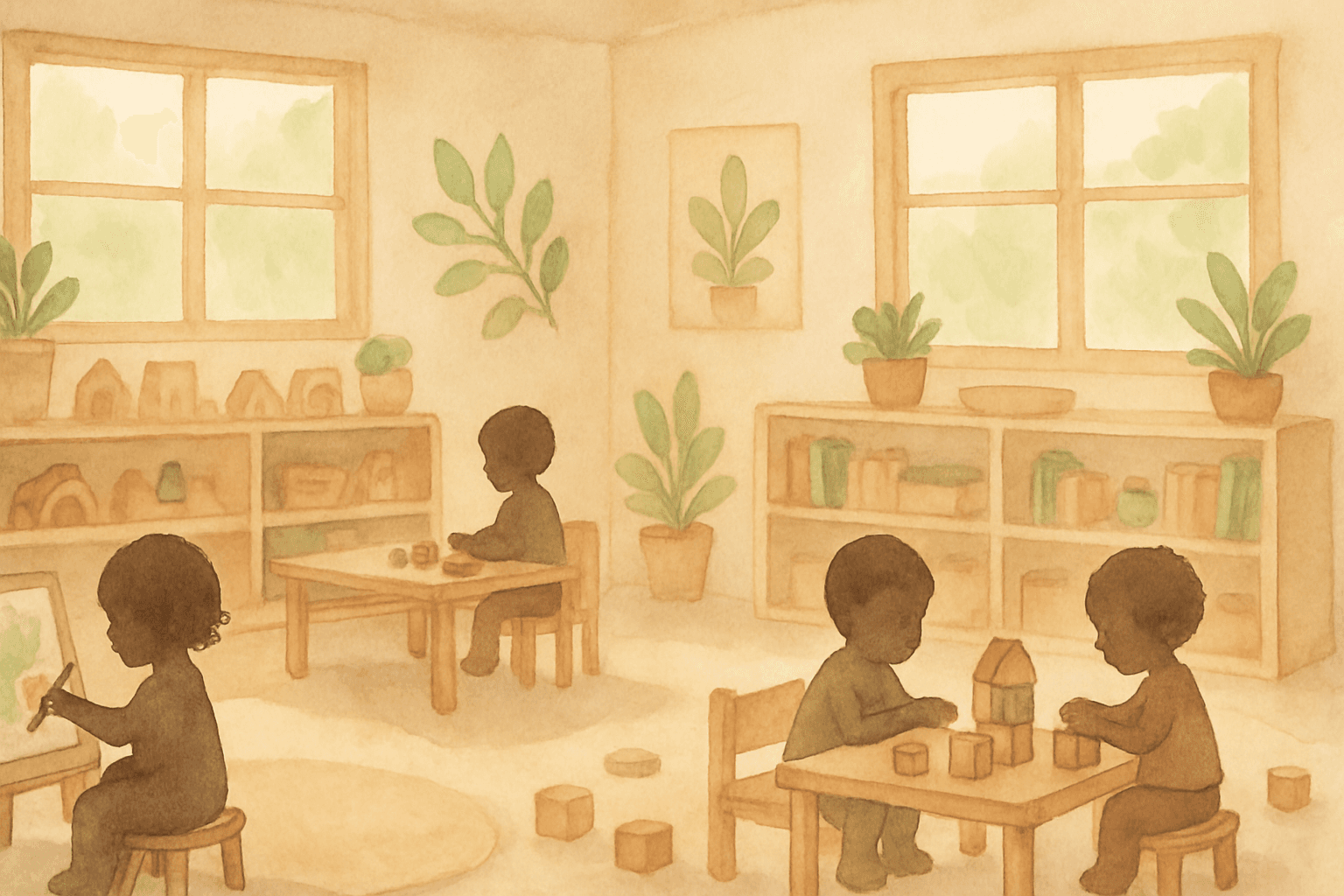
Explore essential strategies for preparing your child for the reception year.
Starting school is a big step for your little one and preparing for the reception year can set them up for success. Let's explore some practical strategies.
Imagine sitting with your child, a colorful book spread open between you, as you both explore new worlds and ideas. This simple activity is more than just bonding time—it's a stepping stone in your child's journey to early literacy.
Why Early Literacy Matters
Early literacy is more than just learning to read. It's the foundation of all future learning, helping children understand and use language, recognize print, and develop phonological awareness. These skills enable kids to process information and engage with the world. Studies show that children who grasp early literacy skills before kindergarten are more likely to excel in school and beyond.
Strategies for Nurturing Literacy at Home
Parents play a pivotal role in fostering early literacy. Start by talking, reading, and singing to your child from birth. These activities expose them to language and help build vocabulary. When your toddler babbles, respond to them. This simple interaction supports language development.
Joint reading is another powerful tool. Choose books that spark your child's interest and take turns reading. Encourage your child to connect with the story by asking open-ended questions. This not only boosts interest but also enhances critical thinking.
For younger children, nursery rhymes are especially beneficial. They help develop phonological awareness, which is crucial for reading. Consider using audiobooks or reading aloud to expose your child to more language. Label objects in your home to show the importance of reading and writing.
Creating a Literacy-Rich Environment
A home filled with print-rich materials can significantly impact literacy development. Display books within reach, hang different types of print around the house, and label everyday items. These visual cues reinforce the importance of literacy and encourage children to engage with print in their environment.
If you speak a different language at home, use it while reading and conversing with your child. This practice can enhance vocabulary and comprehension, making it easier for them to learn English and other languages at school.
Community Support for Early Literacy
Community resources can also bolster early literacy. Libraries often offer storytime sessions, and various community programs provide access to books and literacy activities. Engaging in these opportunities can make a big difference in your child's literacy journey.
For more ideas on quiet play that can complement literacy development, check out our article on Quiet Play Activities for Focus and Concentration.
Early literacy is crucial for setting children on a path to success. By incorporating these strategies into daily routines, parents can help their children build a solid foundation for lifelong learning.
Conclusion
Every story, song, and shared word is a step towards your child's literacy success. Embrace these moments as opportunities to nurture their growth and lay the groundwork for a bright future.
For more activities to boost your child's development, explore our articles on Montessori Sensory Activities: Key Benefits and Quiet Play Activities for Focus and Concentration.
Frequently Asked Questions
How can I help my toddler develop early literacy skills?+
Engage them with books, talk and sing to them regularly, and respond to their babbling to support language development.
What activities can boost my child's early literacy?+
Reading together, nursery rhymes, and labeling objects at home can all enhance literacy skills.
Why is early literacy important for my child?+
It lays the foundation for future learning, helping children succeed academically and develop crucial life skills.
How can I prepare my child for the reception year?+
Engage in activities that build language, social, and fine motor skills. Read together, play educational games, and encourage social interactions.
Tags
Join our weekly newsletter
Framework-grounded ideas for parents and educators, every Thursday.