Child Development
Explore the 7 Wonders of Early Childhood
Liliya Taneva3 min read
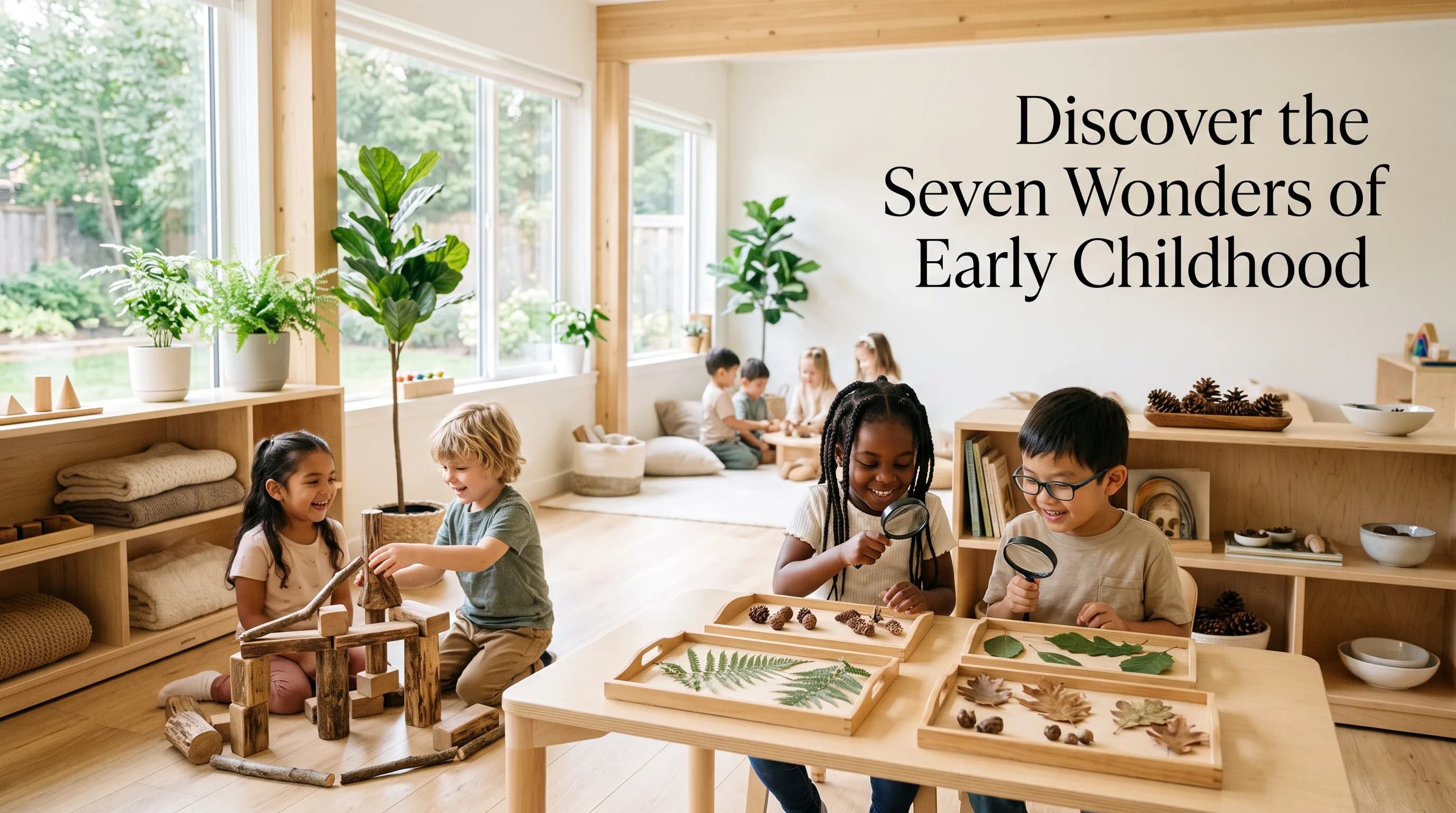
Discover the seven wonders of early childhood and learn how they foster growth and curiosity in young children.
Exploring the Seven Wonders of Early Childhood: How to Foster a Positive Learning Environment for Young Children
Welcome to the magical world of early childhood! From the moment a child is born, they are filled with wonder and curiosity. Then, as they grow, they explore and learn about the world around them. The Seven Wonders of Early Childhood is a collection of experiences that help children develop and grow in the most meaningful ways. From the joy of play to the power of language, these seven wonders provide a foundation for a lifetime of learning and exploration. Through these experiences, children can develop the skills and knowledge they need to become successful, confident, and happy adults. So, let's take a journey and explore the Seven Wonders of Early Childhood!
Early childhood is a critical development period for young children, and the environment in which they learn and grow can have a lasting impact on their future. Creating a positive learning environment for young children is essential for their physical, emotional, and cognitive development. This article will explore the seven wonders of early childhood and how to foster a positive learning environment for young children.
Wonder 1: Nurturing Relationships
The first wonder of early childhood is nurturing relationships. Building strong relationships between children and their caregivers is essential for their development. Carers should be patient, understanding, and supportive of the child's needs. They should also provide consistent and predictable routines and activities that foster a sense of security and trust.
Wonder 2: Play
Play is an essential part of early childhood development. It helps children learn about the world around them and develop their physical, cognitive, and social skills. Therefore, carers should provide a variety of age-appropriate play activities and encourage exploration and creativity.
Wonder 3: Language
Language is an important part of early childhood development. Therefore, carers should provide a language-rich environment by talking to the child, reading books, and singing songs. They should also encourage the child to express themselves and ask questions.
Wonder 4: Exploration
Exploration is an important part of early childhood development. Therefore, carers should provide a safe, stimulating environment that encourages the child to explore and discover. This can include providing various materials and activities that foster curiosity and creativity.
Wonder 5: Movement
Movement is an important part of early childhood development. Therefore, caregivers should provide opportunities for physical activity, such as outdoor play, running, jumping, and dancing. They should also offer a variety of materials and activities that encourage movement and exploration.
Wonder 6: Creativity
Creativity is an important part of early childhood development. Therefore, carers should provide various materials and activities to encourage creativity and exploration. This can include art, music, and dramatic play.
Wonder 7: Problem-Solving
Problem-solving is an important part of early childhood development. Therefore, carers should provide opportunities for the child to practise problem-solving skills, such as puzzles, games, and other activities that require critical thinking.
In conclusion, early childhood is a critical development period for young children, and the environment in which they learn and grow can have a lasting impact on their future. Creating a positive learning environment for young children is essential for their physical, emotional, and cognitive development. This article has explored the seven wonders of early childhood and how to foster a positive learning environment for young children. By providing a nurturing environment and encouraging play, language, exploration, movement, creativity, and problem-solving, caregivers can create a positive learning environment that will help children reach their full potential.
Frequently Asked Questions
What are the seven wonders of early childhood?+
The seven wonders of early childhood are nurturing relationships, play, language, exploration, movement, creativity, and problem-solving.
Why is play important in early childhood development?+
Play is crucial because it helps children learn about their world and develop physical, cognitive, and social skills.
How can I create a positive learning environment for my child?+
Create a positive learning environment by nurturing relationships, encouraging play, and providing opportunities for exploration, language, movement, creativity, and problem-solving.
Illustrations created with AI image tools from our own prompts, curated and edited by our team. How we make things
Tags
Join our weekly newsletter
Framework-grounded ideas for parents and educators, every Thursday.