Child Development
Reggio Emilia Home Activities for Kids
Liliya Taneva6 min read
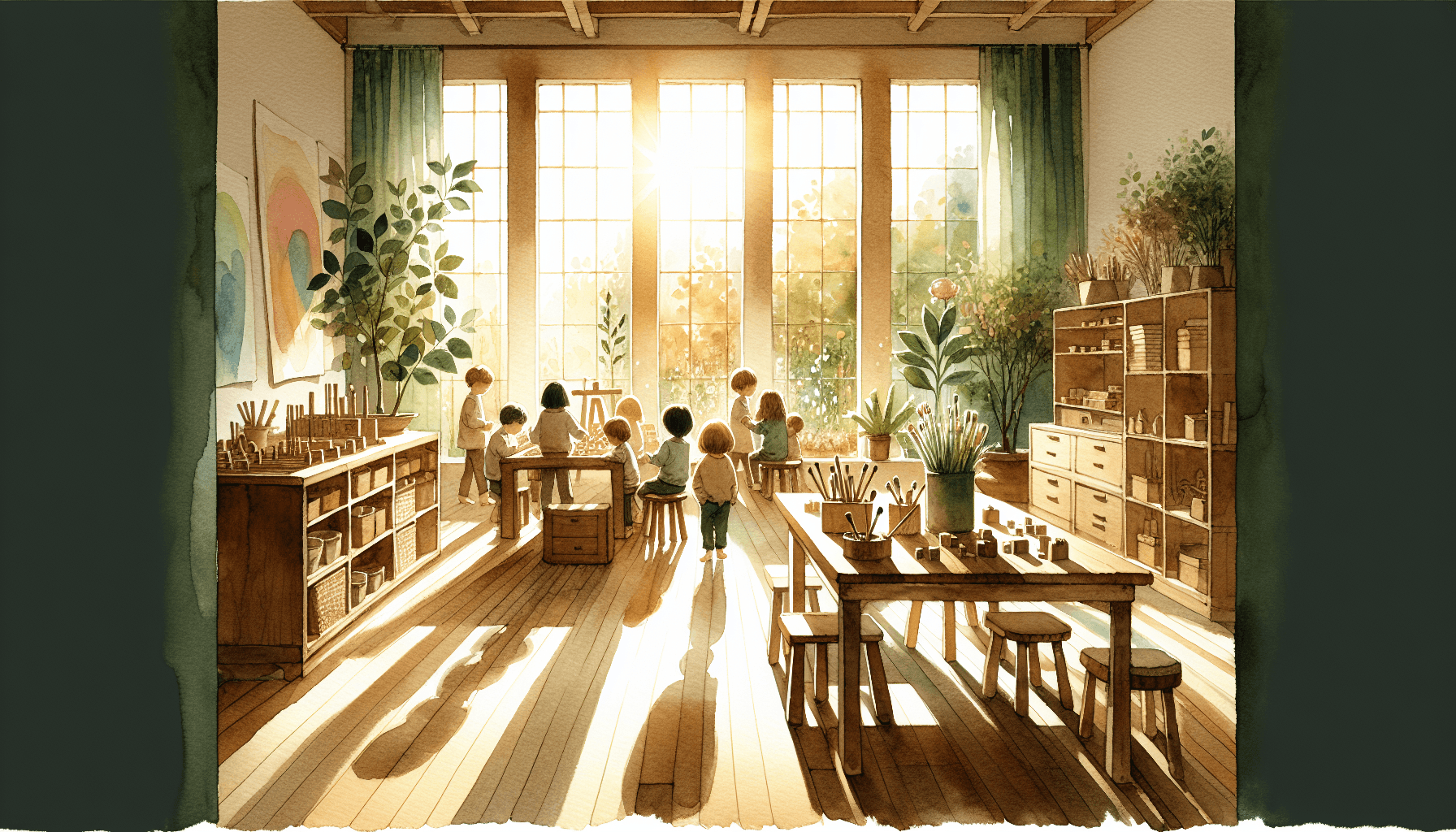
Explore creative Reggio Emilia activities for home to foster collaboration and creativity in your child's development.
The Reggio Emilia approach is a widely recognized educational philosophy emphasising collaboration, environment, and creativity in a child's development. While the approach is commonly associated with educational settings, it can also be adapted and applied in the home environment. In this post, we will explore some easy and fun activities that parents and caregivers can do with young children at home to incorporate the Reggio Emilia approach into their daily routines.
Exploring the Wonders of Nature
Imaginary play and its benefits
Consider integrating Montessori play activities to complement the Reggio Emilia approach.
Explore more about imaginative play in our article on Imaginary Play and its Benefits.
Incorporating the Reggio Emilia Approach at Home:
- Encourage exploration: Create a space for your child to explore different materials, such as a sensory bin filled with sand, water, or dried beans. Allow your child to manipulate the materials and observe their reactions and discoveries.
- Emphasize process over product: Focus on the process of creating rather than the end product. Encourage your child to experiment with materials and ideas, and allow them to create freely without worrying about the final outcome.
- Open-ended materials: Offer materials such as clay, paper, or fabric for your child to create unique art pieces. Avoid giving too much direction, allowing your child to use their creativity and imagination freely.
- Foster collaboration: Encourage your child to work on a project with another family member, friend, or caregiver. This can help develop communication and social skills, as well as the ability to work as a team.
- Document learning experiences: Take photos, videos, or create a journal to document your child's learning experiences. This can help you reflect on and analyze their learning process, as well as provide a meaningful record of their growth and development.
- Create a light table: A light table is an excellent tool for exploring light and colour. You can make a DIY light table by placing a light source (such as a string of fairy lights) underneath a translucent surface (such as a plastic container or a glass tabletop).
- Provide loose parts: Loose parts are materials that can be used in various ways, such as buttons, beads, or rocks. Providing your child with loose parts can encourage creativity and problem-solving skills.
- Display your child's artwork: Create a space in your home to display your child's artwork. This can help them feel proud of their creations and encourage them to continue exploring their creativity.
- Incorporate nature: Take your child on a nature walk or hike, allowing them to explore and observe the natural environment. You can also bring elements of nature into the home, such as leaves, rocks, or flowers, for your child to observe and explore.
- Offer opportunities for imaginative play: Encourage your child to engage in imaginative play by providing them with dress-up clothes, puppets, and other props. Allow them to explore different roles and scenarios.
Incorporating the Reggio Emilia approach at home can offer young children a valuable and engaging learning experience. By encouraging exploration, providing open-ended materials, fostering collaboration, documenting learning experiences, and incorporating nature, parents and caregivers can create a supportive and empowering learning environment for their children. These activities are easy to do at home and can impact a child's development and lifelong learning journey.
The Reggio Emilia approach emphasizes the importance of the child's unique interests and needs. By incorporating this approach at home, parents and caregivers can help their child explore their world, experiment with materials and ideas, and develop their creativity and problem-solving skills.
By encouraging collaboration and communication, parents and caregivers can also help their children develop important social and emotional skills that will serve them well.
Finally, by documenting their child's learning experiences, parents and caregivers can reflect on their child's growth and development and gain a deeper understanding of their child's learning process. This approach can help parents and caregivers to make more informed decisions about their child's education and development.
In conclusion, the Reggio Emilia approach can be adapted and applied in the home environment to provide young children with meaningful and engaging learning experiences that can impact their development and lifelong learning journey.
Learn more about nature exploration in our article on Exploring the Wonders of Nature with your Child.
-
Montessori play benefits include fostering independence and sensory engagement, which align with Reggio Emilia principles.
Imaginary play and its benefits
The Magic of Montessori Through Play
Parents looking for hands-on ideas can explore our sensory play guide for age-appropriate activities.
Consider creating sensory bins with items like dried beans or pasta for 3-year-olds to explore textures and colors.
The Reggio Emilia approach is a well-known educational philosophy that focuses on collaboration, environment, and creativity in child development. While often used in schools, it can also be adapted for home use. This post will share fun and easy activities for parents and caregivers to incorporate the Reggio Emilia approach into daily routines with young children.
Incorporating the Reggio Emilia approach at home offers children engaging learning experiences. By encouraging exploration, using open-ended materials, fostering collaboration, and incorporating nature, parents can create a supportive learning environment. These activities are easy to do at home and significantly impact a child's development and lifelong learning.
Parents can easily incorporate Reggio Emilia activities into their home routines to enhance their child's learning experience.
Incorporating the Reggio Emilia Approach at Home
Encourage exploration by creating a space for your child to explore different materials like sand, water, or dried beans. Let them play and discover freely. Focus on the process of creating rather than the final product. Encourage your child to experiment with materials and ideas without worrying about the outcome. Provide open-ended materials like clay, paper, or fabric for unique art creations. Avoid giving too much direction, allowing creativity to flow. Foster collaboration by having your child work on a project with family or friends. This builds communication and teamwork skills. Document learning experiences through photos, videos, or journals. This helps you reflect on their learning process and growth. Create a light table by placing a light source under a translucent surface like a plastic container. This is great for exploring light and color. Provide loose parts like buttons, beads, or rocks to encourage creativity and problem-solving. Display your child's artwork at home to boost their pride and creativity. Incorporate nature by taking walks or bringing natural elements like leaves and rocks indoors for exploration. Offer imaginative play opportunities with dress-up clothes and props to explore different roles and scenarios.
For more ideas on fostering creativity, check out our article on Artistic Play: Unleashing the Creative Spirit.
Explore different types of play and their benefits in our article on Types of Play: Boosting Child Development.
Frequently Asked Questions
What are some Reggio Emilia activities for toddlers?+
Toddlers can engage in activities like sensory bins, nature walks, and open-ended art projects, all inspired by the Reggio Emilia approach.
How can parents implement Montessori play at home?+
Parents can incorporate Montessori play at home by using everyday materials to create learning opportunities that emphasize independence and sensory exploration.
What are sensory play ideas for preschoolers?+
Sensory play ideas for preschoolers include activities like using sensory bins filled with sand, water, or rice, and engaging in nature walks to collect leaves and rocks.
How does sensory play benefit child development?+
Sensory play supports child development by enhancing cognitive growth, fine motor skills, and language development through hands-on exploration.
Illustrations created with AI image tools from our own prompts, curated and edited by our team. How we make things
Tags
Join our weekly newsletter
Framework-grounded ideas for parents and educators, every Thursday.