Parenting
Calm Bedtime Routines for Preschoolers
Growing Bright Minds3 min read
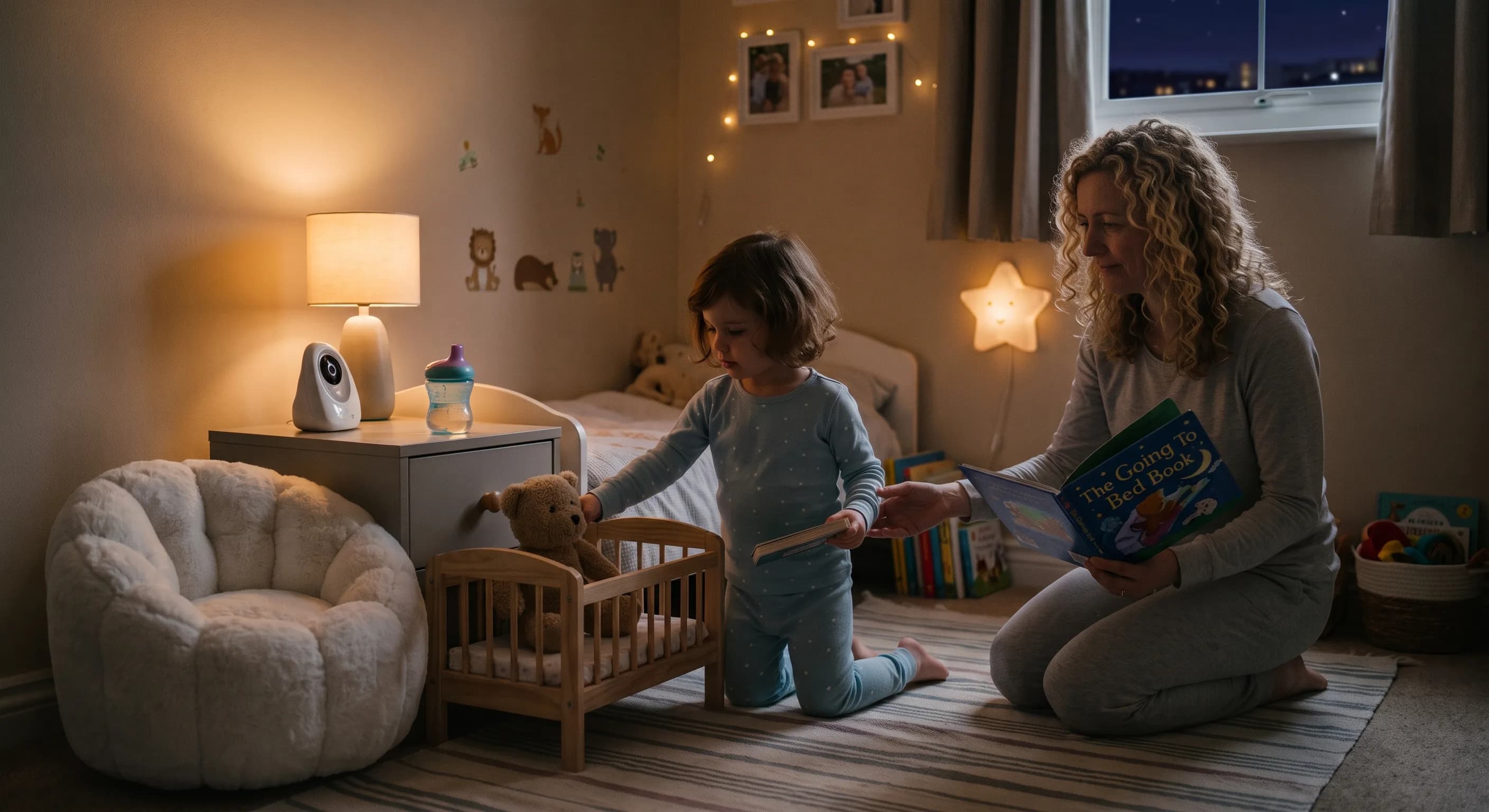
Discover how calm bedtime routines can create peaceful nights for preschoolers, enhancing sleep quality and parent-child bonding.
Introducing sensory activities into bedtime routines can be a game changer for your child's sleep and development. By engaging their senses, you help them relax more deeply and prepare their minds for a good night's rest.
It's the end of a long day, and you finally get your 3- to 5-year-old ready for bed. But just as you're about to relax, they pop back up asking for one more story or a drink of water. Sound familiar? Establishing a calm bedtime routine can help make those nights more predictable and soothing for both you and your child.
The Importance of a Bedtime Routine
A consistent bedtime routine not only helps your child fall asleep faster but also contributes to their overall development. Through activities like reading and talking about the day, your child can improve their language skills and emotional well-being. A routine signals to your child's brain that it's time to wind down, making it easier for them to transition into sleep mode.
Crafting Your Routine
Start with a warm bath to relax your child. The calming effect of water can be a great way to signal the end of the day. Follow up with a quiet activity like reading a book or listening to soft music. As part of the routine, encourage your child to brush their teeth and use the bathroom, so there are no last-minute requests after the lights go out. Consistency is key; try to keep the routine similar every night.
Handling Bedtime Resistance
Sometimes, even the best routines face challenges. If your child keeps getting up, remain calm and guide them back to bed. Explain that it's time to sleep and remind them of the fun things planned for the next day. It's helpful to have a gentle but firm approach. Over time, your child will understand the boundaries and feel more secure in their routine. For more tips on handling bedtime resistance, check out our article on Quiet Play Activities for Focus and Concentration.
Benefits Beyond Sleep
A well-established bedtime routine offers far more than just better sleep. It strengthens the emotional bond with your child through focused, undistracted connection at the end of a busy day. Quiet activities like reading together, sharing stories, and gentle cuddling foster a profound sense of safety and emotional security, while also nurturing early language skills and cognitive development. Predictable rituals signal to an overstimulated nervous system that it is safe to unwind, transforming the evening from a nightly power struggle into an anticipated comfort. When children feel secure, bedtime naturally shifts from an experience they resist to one they look forward to.
Establishing this rhythm requires patience and consistency, but the lifelong benefits for your child’s emotional regulation and sleep health are well worth the effort. Start with small, manageable steps such as dimming the lights, playing soft music, or introducing a favourite book and adapt the flow as your child grows. With time, these quiet evening moments will become not just a practical transition to rest but a cherished, grounding anchor in your family's daily life.
Encouraging Independence at Bedtime
Encouraging your child to take part in their bedtime routine can help foster a sense of independence. Allow them to choose their pyjamas or pick out a bedtime story. These small decisions can make them feel more in control and may lead to a more compliant bedtime experience.
Children who feel they have a say in their bedtime routine are often more willing to follow through with it. This participation not only provides them with a sense of accomplishment but also strengthens their decision-making skills. Over time, these skills can lead to increased confidence and self-reliance, both important traits for their development.
For more ideas on sensory activities, check out Montessori Sensory Activities: Key Benefits and explore how different types of play can impact development in Types of Play: Boosting Child Development.
Frequently Asked Questions
How long should a bedtime routine be for a preschooler?+
Aim for a 30-minute routine. This timeframe helps signal to your child that it's time to wind down without making them anxious about bedtime.
What if my child still gets up after the routine?+
Gently guide them back to bed, reminding them that it's sleep time. Be consistent with your routine and responses to help them adjust.
How can sensory activities improve bedtime routines?+
Sensory activities help calm your child's nervous system, making it easier for them to transition to sleep. They can also enhance emotional well-being and language skills.
Tags
Join our weekly newsletter
Framework-grounded ideas for parents and educators, every Thursday.