School Readiness
Preparing your child for a smooth back to school transition
Liliya Taneva2 min read
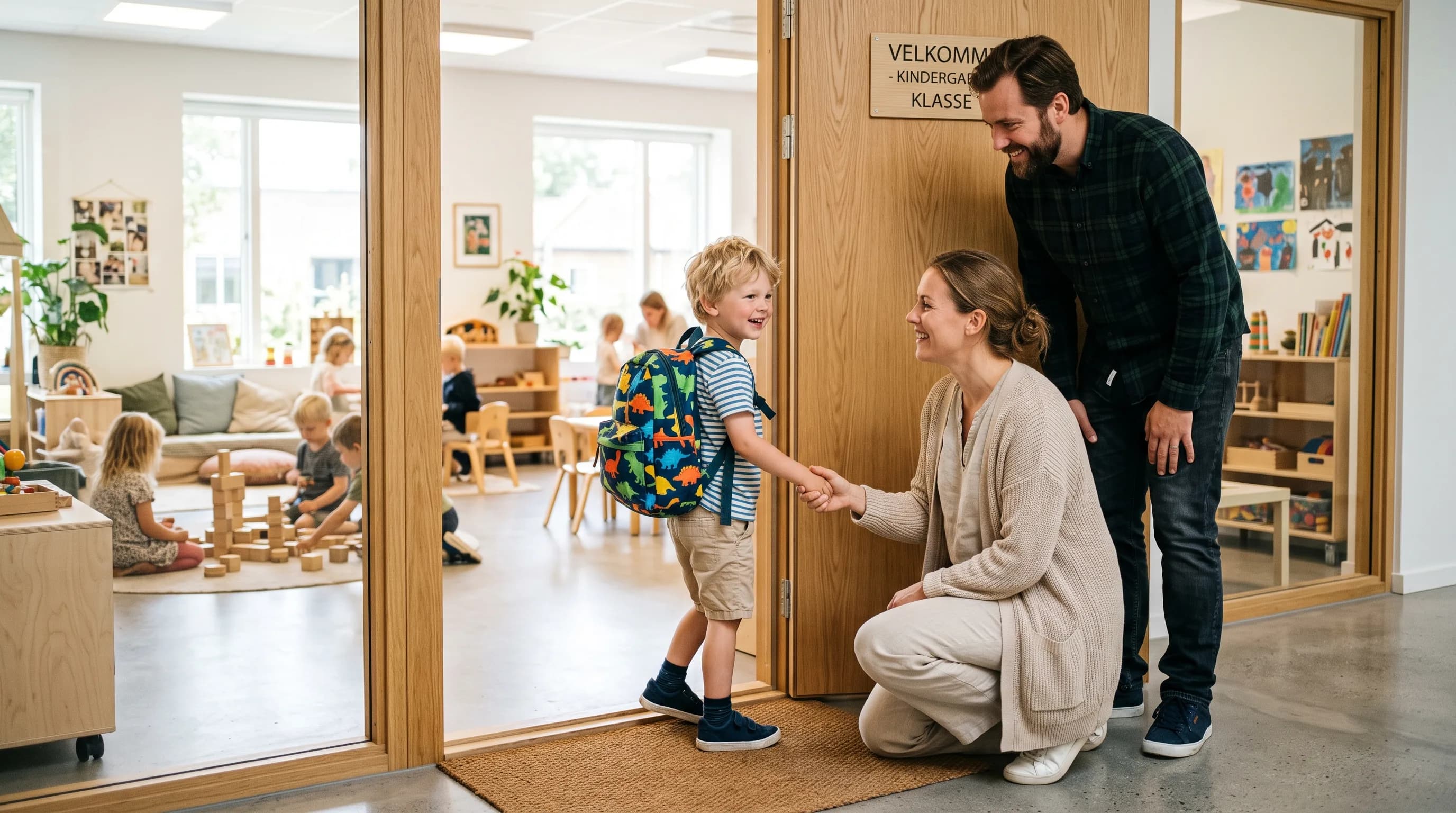
Ensure a smooth back to school transition for your child with our helpful checklist and positive discipline tips.
A new school year often brings excitement and a touch of anxiety for both parents and children. Preparing your child, especially those entering kindergarten, can make all the difference. Let’s explore how a readiness checklist and positive discipline techniques can help.
The start of a new school year can be a mixed bag of emotions for both parents and children. For young children, especially those aged 3-4, settling back into classroom routines might feel overwhelming. With some thoughtful preparation, you can make this transition smoother for your little one.
Establish a Consistent Routine
Children thrive on routine. Having a predictable daily schedule helps them feel secure and less anxious about the unknown. Before school starts, gradually adjust your child's bedtime and wake-up time to match the school schedule. This adjustment period allows their body clock to align with the new routine, making mornings less stressful.
Create a Positive Morning Ritual
Mornings set the tone for the day, so aim for a peaceful start. Encourage your child to participate in preparing for school, whether it's choosing their outfit or packing their backpack. This involvement gives them a sense of control and responsibility. A simple morning ritual like enjoying breakfast together can also provide comfort and connection.
Familiarise Them with the School Environment
If possible, visit the school before the first day. Familiarity with the environment can reduce anxiety. Walk around the playground, show them their classroom, and even meet the teacher if you can. This familiarity helps your child know what to expect, easing the transition.
Talk About Their Feelings
Open communication is key. Encourage your child to express their feelings about going back to school. Listen to their concerns and reassure them. Acknowledge their feelings while highlighting the positive aspects, like making new friends or engaging in exciting activities. You can find useful tips on Building Confidence with Constructive Play to further support your child's emotional readiness.
Be Patient and Supportive
Remember, each child adjusts at their own pace. Be patient and offer plenty of encouragement. Celebrate small victories, whether it's getting ready on time or making a new friend. Your support and understanding will boost their confidence as they navigate this transition.
By preparing ahead and maintaining a consistent routine, you can help your child look forward to school with excitement rather than anxiety. Your efforts will set the stage for a positive and successful school experience.
Consider incorporating sensory activities to help your child adjust more comfortably. Check out our guide on Montessori Sensory Activities: Key Benefits for practical ideas.
For more on helping your child develop essential skills, check out our articles on Building Confidence with Constructive Play and Boosting Fine Motor Skills in Preschoolers.
Frequently Asked Questions
How can I help my child adjust to a new school routine?+
Start with a consistent schedule at home. Gradually align bedtime and wake-up times with the school routine. Familiarize them with the school environment.
What if my child feels anxious about going back to school?+
Encourage them to talk about their feelings. Reassure them with positive experiences and remind them of the fun activities and friends at school.
How can I make mornings less stressful for my child?+
Create a positive morning ritual. Let them participate in simple tasks like packing their backpack, and ensure a calm, organized start to the day.
How can I make school transitions easier for my child?+
Plan playdates with classmates before school starts and involve your child in preparing their school supplies to boost their confidence.
What is included in a kindergarten readiness checklist?+
A kindergarten readiness checklist typically includes social skills, basic literacy and numeracy, fine motor skills, and the ability to follow simple instructions.
How can positive discipline techniques aid in school transitions?+
Positive discipline helps children understand expectations and develop self-control, making school transitions smoother and more predictable.
Illustrations created with AI image tools from our own prompts, curated and edited by our team. How we make things
Tags
Join our weekly newsletter
Framework-grounded ideas for parents and educators, every Thursday.