Outdoor Activities
Outdoor Learning in Early Childhood Education
Liliya Taneva4 min read
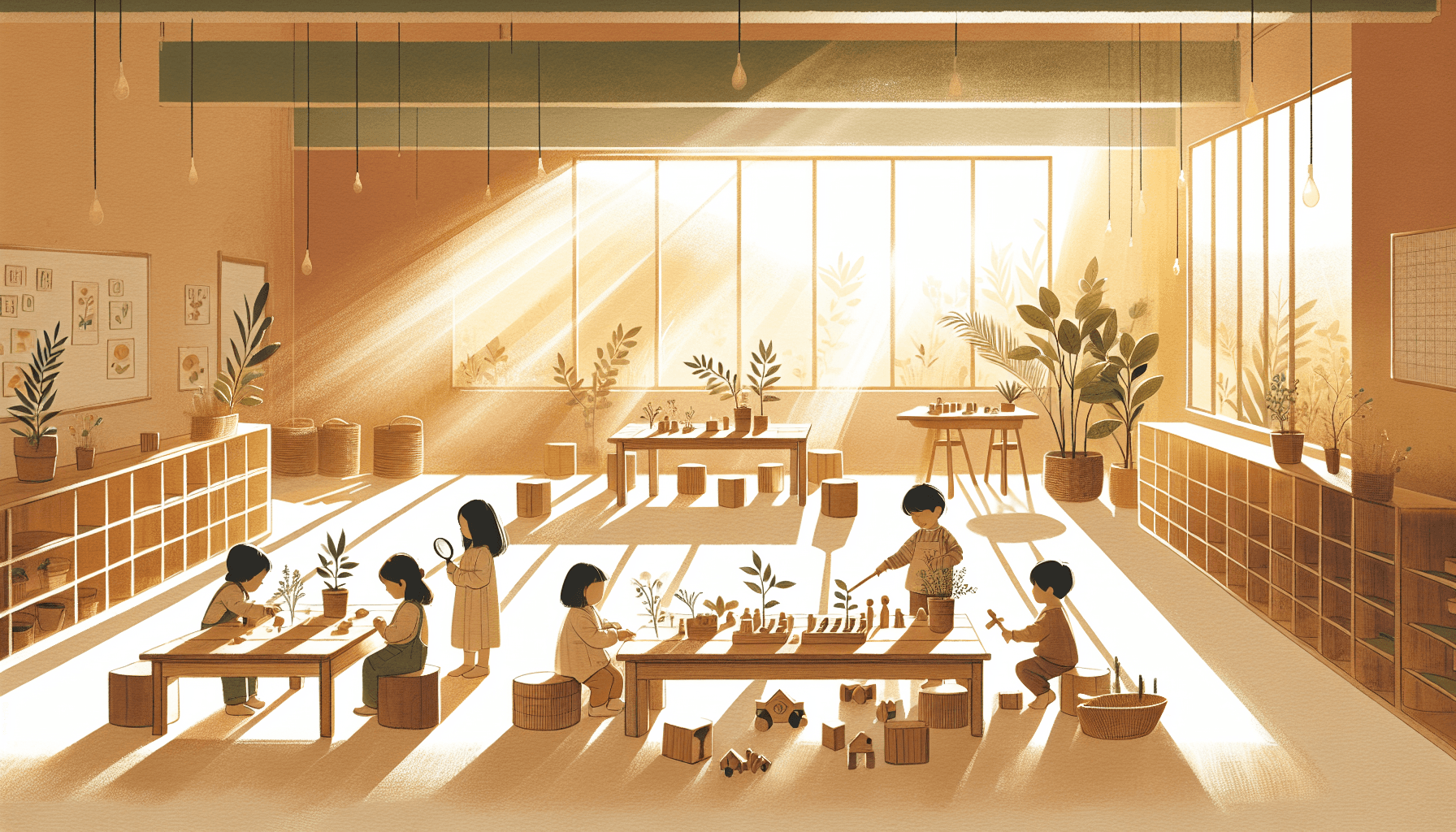
Explore how outdoor learning can transform early childhood education by leveraging nature-based activities to enhance development.
In this blog post, we will explore the increasingly popular concept of outdoor learning and its significance in early childhood education. We will discuss the benefits of nature-based education, share examples of successful outdoor learning programs, and offer practical tips for incorporating outdoor learning into your early childhood setting.
Outdoor learning is a growing trend in education, offering children unique experiences that enhance their development.
Embracing nature-based education can greatly impact children's growth. By creating opportunities for exploration and play in nature, educators can foster a lifelong love for the outdoors. This approach unlocks every child's potential. Stay tuned to our "Little Minds, Big Discoveries" blog for more insights into outdoor learning and early childhood education.
To integrate outdoor learning, create inviting outdoor spaces. Design areas that are engaging, safe, and accessible with natural elements like plants and rocks. Plan activities that encourage exploration and learning, such as scavenger hunts and sensory walks. Encourage free play in natural settings to let children explore at their own pace. Teach children to assess risks and make safe choices, balancing risk-taking with safety.
Many outdoor learning programs effectively promote nature-based education. Forest schools focus on child-led learning in natural settings, often in woodlands. Nature preschools integrate nature into their daily curriculum with outdoor exploration and play. Reggio Emilia-inspired classrooms use nature as a key part of their learning environment.
Outdoor learning offers many benefits. It boosts creativity by encouraging imaginative thinking in nature. It enhances problem-solving skills as children face outdoor challenges. It builds resilience and adaptability in changing environments. Outdoor time improves physical health, increasing motor skills and reducing obesity. It also promotes emotional well-being by lowering stress and boosting confidence.
Outdoor learning is key for children's growth. It offers hands-on exploration and discovery not found indoors. Nature exposure boosts cognitive, physical, emotional, and social development. Research shows outdoor learning improves well-being, academics, and overall development. It fosters a lifelong connection to nature, encouraging environmental responsibility.
Key Points:
- The importance of outdoor learning: Outdoor learning is essential for children's development as it offers unique opportunities for hands-on exploration and discovery, which are not always available in indoor environments. Exposure to nature and outdoor environments plays a vital role in children's cognitive, physical, emotional, and social development. Research supports the positive impact of outdoor learning experiences on children's well-being, academic performance, and overall development. Outdoor learning fosters a lifelong connection to nature and encourages children to become environmentally responsible citizens.
*Benefits of nature-based education: *Outdoor learning offers various benefits, including:
-
Improved creativity: Outdoor learning encourages children to think creatively and use their imagination while engaging with the natural environment.
-
Enhanced problem-solving skills: Children develop problem-solving abilities as they navigate challenges and obstacles in outdoor settings.
-
Greater resilience: Outdoor learning helps children build resilience and adaptability as they learn to cope with changing conditions and environments.
-
Better physical health: Time spent outdoors has been linked to improved physical health, such as increased motor skills, strength, and coordination, as well as reduced obesity rates.
-
Emotional well-being: Outdoor learning promotes emotional well-being by reducing stress and anxiety and boosting self-esteem and confidence.
Successful outdoor learning programs: Several outdoor learning programs have gained recognition for their effectiveness in promoting nature-based education, such as:
-
Forest schools: These programs emphasize child-led learning in natural settings, often using local woodlands as their primary learning environment.
-
Nature preschools: These preschools integrate nature-based education into their daily curriculum, incorporating outdoor exploration, play, and hands-on learning experiences.
-
Reggio Emilia-inspired outdoor classrooms: Inspired by the Reggio Emilia approach, these classrooms encourage children to engage with nature as an essential part of their learning environment.
Tips for incorporating outdoor learning: To integrate outdoor learning into early childhood settings, consider the following suggestions:
-
Create inviting outdoor spaces: Design outdoor areas that are engaging, safe, and accessible, with a variety of natural elements, such as plants, rocks, and water features.
-
Plan outdoor activities: Develop a range of activities that encourage exploration, discovery, and learning in the outdoors, such as nature scavenger hunts, gardening projects, and sensory walks.
-
Encourage free play: Provide ample time for unstructured play in natural settings, allowing children to explore, create, and learn at their own pace.
-
Emphasize risk assessment and safety: Teach children to assess risks and make safe choices while engaging in outdoor activities, balancing the benefits of risk-taking with the importance of safety.
Parents looking for practical activities can check out our guide on essential practical activities for kids to find ideas for home and school.
For more on encouraging outdoor play at home, visit our outdoor play guide for tips and ideas.
Incorporating outdoor learning into early childhood education can have a profound impact on children's growth and development. By embracing nature-based education and creating opportunities for children to explore, learn, and play in natural environments, early years educators can foster a lifelong connection to nature and unlock the full potential of every child. Stay tuned to our "Little Minds, Big Discoveries" blog for more insights into outdoor learning and other exciting topics in early childhood education.
Frequently Asked Questions
What is outdoor learning?+
Outdoor learning involves educational activities conducted outside, allowing children to explore and interact with nature. It enhances cognitive, physical, and emotional development.
How can I incorporate outdoor learning at home?+
You can create engaging outdoor spaces, plan nature-based activities, and encourage free play. Focus on safety and let children explore at their own pace.
What are the benefits of outdoor learning?+
Outdoor learning boosts creativity, problem-solving skills, resilience, physical health, and emotional well-being. It fosters a lifelong connection to nature.
Illustrations created with AI image tools from our own prompts, curated and edited by our team. How we make things
Tags
Join our weekly newsletter
Framework-grounded ideas for parents and educators, every Thursday.