Child Development
Engaging Kids in Teaching: Key Benefits
Liliya Taneva4 min read
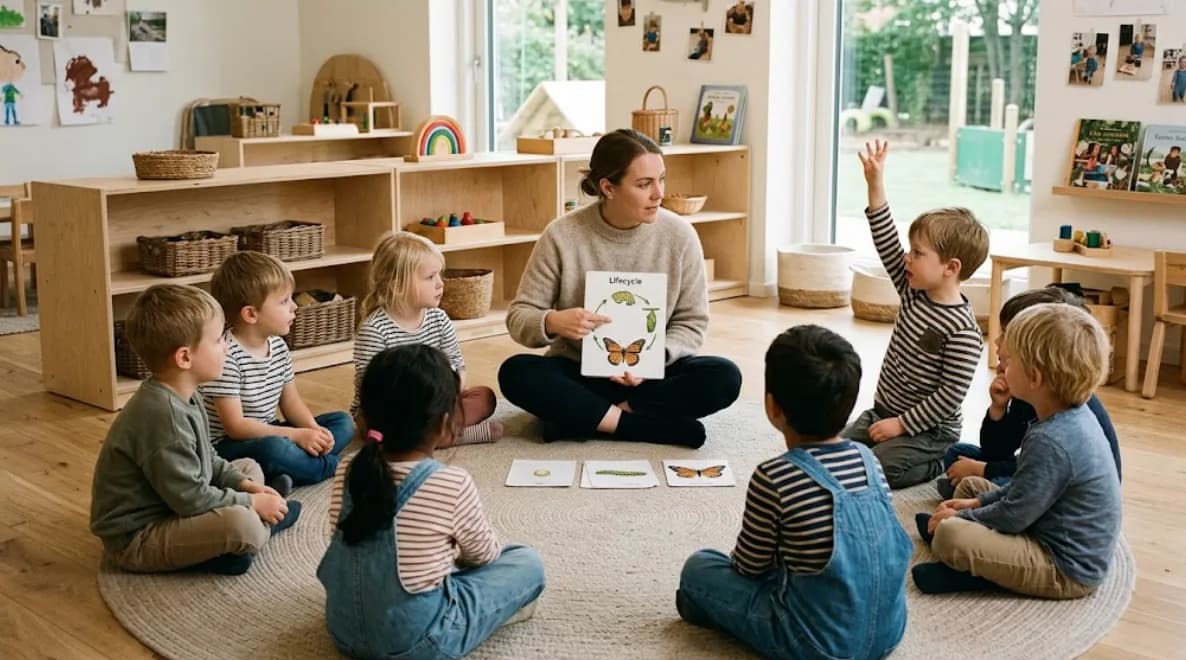
Learn how involving children in teaching can enhance their learning experience and development. Discover practical strategies and key benefits.
Introduction
Listening to children's voices and involving them in teaching is key to an effective learning environment. Recognising that children contribute to their learning is important. Their voices should be heard and respected. By listening to them, teachers gain insights into students' needs and interests. This helps create engaging learning experiences tailored to each student. Involving children in teaching fosters ownership and responsibility, boosting motivation and engagement. Understanding these benefits helps educators better meet student needs.
How to Create an Inclusive Classroom Environment by Listening to Children's Voices
Creating an inclusive classroom is essential for students' sense of belonging. Listening to children's voices plays a key role. Teachers gain insights into students' needs and perspectives by listening. This helps create a welcoming environment for all.
First, build trust and respect. Engage with students in conversations and activities. Create a safe space for them to express thoughts and feelings. Be aware of personal biases and stay open-minded.
Next, provide opportunities for students to share their views. Use group discussions, surveys, and interviews. These activities help teachers understand students better and make them feel valued.
Finally, use student feedback to shape the classroom environment. Offer diverse learning materials and activities accessible to all. Celebrate diversity and encourage respect. This ensures all students feel accepted and valued.
The Benefits of Involving Children in the Teaching Process
Involving children in teaching benefits both students and teachers. It fosters collaboration and engagement. Students develop communication, problem-solving, and critical-thinking skills.
Active participation is a key benefit. When students contribute to lessons, they engage more and take ownership of learning. This boosts motivation and academic performance.
Involvement also enhances communication skills. Students practice sharing ideas and opinions, building confidence and self-esteem. They improve public speaking skills too.
Problem-solving skills grow as students work together. They practice critical thinking and teamwork, preparing for future challenges.
Overall, involving children creates a positive learning environment. Students feel valued and respected, improving academic performance and self-worth.
Strategies for Engaging Children in Meaningful Dialogue about Learning
Engaging children in meaningful dialogue about learning is an important part of helping them develop a positive attitude towards education. Here are some strategies for facilitating meaningful dialogue with children about learning:
-
Ask Open-Ended Questions: Ask questions that require more than a yes or no answer. This encourages children to think more deeply about their learning and to express their thoughts and feelings.
-
Listen Actively: Make sure to listen to what the child is saying and provide feedback. This will help the child feel heard and understood.
-
Encourage Reflection: Ask the child to reflect on their learning experiences and to think about what they have learned. This will help them to develop a deeper understanding of the material.
-
Model Positive Attitudes: Show the child that learning is an enjoyable and rewarding experience. This will help them to develop a positive attitude towards learning.
-
Provide Opportunities for Choice: The child can choose how they want to approach their learning. This will help them to take ownership of their knowledge and to feel more engaged.
Using these strategies, you can help children engage in meaningful dialogue about learning and develop a positive attitude towards education.
To explore more about play's impact on child development, read our article on how different types of play positively impact child development.
Incorporating Montessori play methods can further enhance the benefits of involving children in teaching by providing structured yet flexible learning opportunities.
Engaging kids in teaching not only enhances their learning but also builds essential life skills.
Parents can find more ways to engage their children by exploring our STEM: Building and Engineering article.
Conclusion
Listening to children's voices and involving them in teaching is essential for creating an effective learning environment. It allows teachers to understand their students better, build relationships, and create a more engaging and meaningful learning experience. In addition, by listening to children's voices, teachers can create an environment that is more inclusive and supportive of all students. This can lead to improved academic performance, increased engagement, and a more positive school climate. Ultimately, listening to children's voices and involving them in the teaching process is important to creating a thriving learning environment.
Frequently Asked Questions
How can teachers involve children in the teaching process?+
Teachers can involve children by encouraging participation in discussions, allowing them to express their ideas, and incorporating their feedback into lesson planning.
What are the benefits of Montessori play for child development?+
Montessori play encourages independence, critical thinking, and hands-on learning, which are beneficial for child development. It supports cognitive and social skills through structured play.
Illustrations created with AI image tools from our own prompts, curated and edited by our team. How we make things
Tags
Join our weekly newsletter
Framework-grounded ideas for parents and educators, every Thursday.