Play & Learning
Messy Play Boosts Cognitive Development
Liliya Taneva3 min read
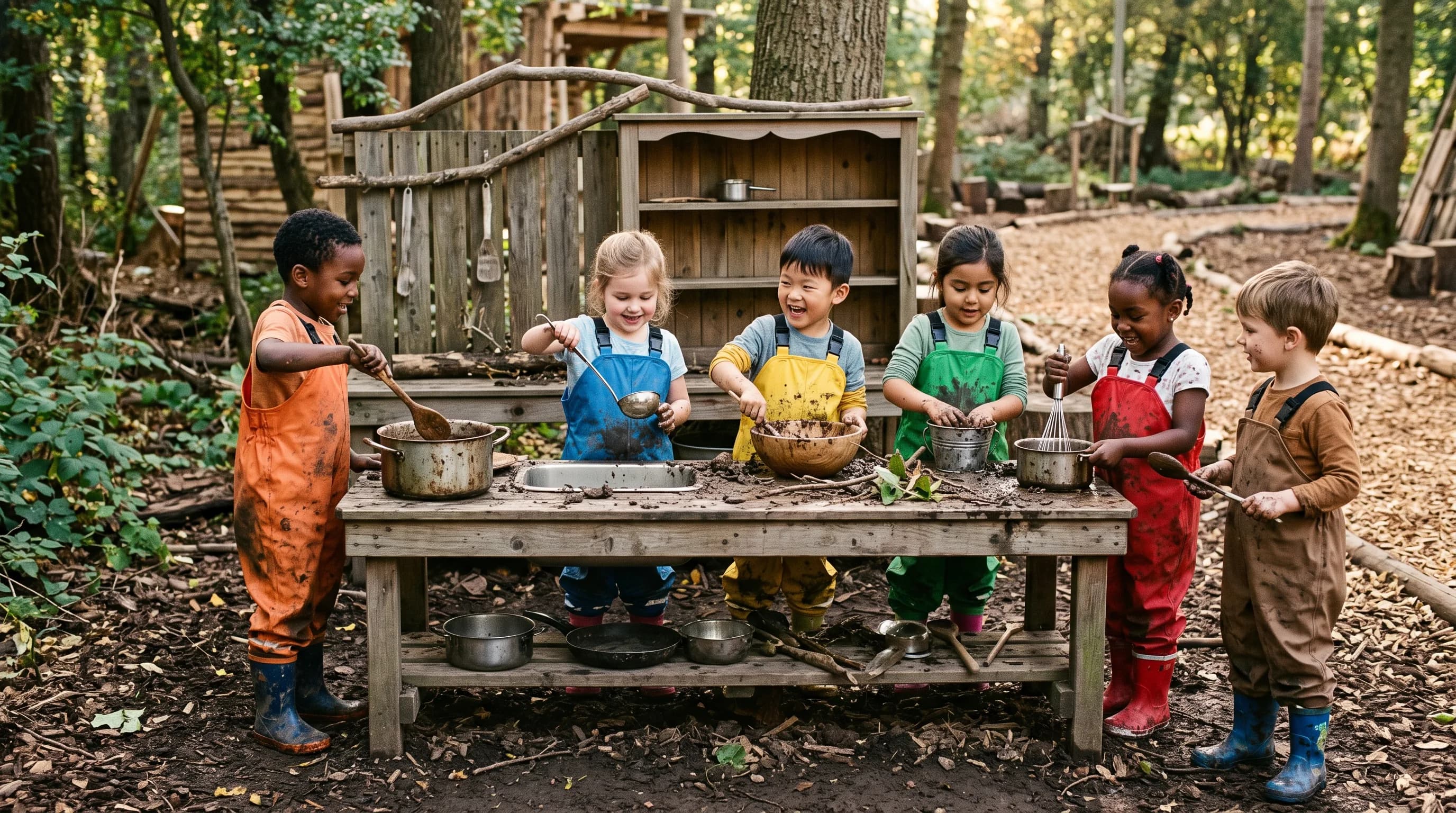
Messy play is essential for cognitive development, promoting sensory exploration, creativity, and problem-solving in children.
Messy play is an important part of childhood development. It encourages children to explore their senses, express their creativity, and develop problem-solving skills. Messy play can involve anything from finger painting to playing with mud, and it is a great way to foster a child's imagination and curiosity. Messy play is also a great way to help children learn about the world around them and develop their motor skills. By embracing the messiness of play, children can explore their senses and express their creativity in a safe and fun environment.
Engaging in messy play can significantly boost a child's cognitive development by encouraging exploration and creativity.
How Messy Play Can Help Develop Motor Skills in Young Children
Messy play is key for developing motor skills in young children. It allows them to move their bodies and interact with their environment. Through messy play, children explore and interact in fun, creative ways.
Messy play encourages children to use their hands and fingers to explore different textures and materials. This helps improve their fine motor skills, which are important for tasks like writing and drawing. It also helps develop problem-solving skills. As children explore, they think about how to use materials creatively, building their cognitive skills.
Children also use their imagination during messy play. They think of creative ways to use different materials, which helps develop their creative thinking skills. Additionally, messy play helps develop social skills. As children explore, they interact with each other, building communication and collaboration skills.
In conclusion, messy play is vital for a child's development. It helps develop motor skills, problem-solving skills, creative thinking, and social skills. Encouraging children to explore different materials fosters a love of learning and creativity.
The Benefits of Messy Play for Cognitive Development
Messy play is a wonderful way to boost your child's cognitive development. This type of play involves using materials like paints, clay, sand, and water. As children play, they embrace messiness and develop problem-solving skills, creativity, and imagination.
Messy play also refines fine motor skills. When children shape clay, paint, or manipulate sand, they engage muscles needed for writing and drawing.
Beyond physical benefits, messy play encourages innovative thinking. When children face challenges like shaping clay, they learn to be creative and imaginative. This helps them handle life's complexities.
Messy play sparks curiosity. As children interact with materials, they explore the world around them. Paints, clay, and sand become tools for discovery and wonder.
Messy play is not just about creating art. It's a way for children to become curious, imaginative, and skilled problem-solvers. Encourage your child to engage in messy play and turn disorder into a learning adventure.
Exploring the Benefits of Messy Play for Social and Emotional Development
Messy play is essential for a child's development. It allows them to explore their environment and express themselves creatively. This type of play helps children develop social and emotional skills along with physical abilities.
Messy play encourages children to express their feelings and build relationships. They learn to share, take turns, and cooperate with others. It also helps them develop self-confidence and self-esteem by expressing themselves in a safe environment.
Children develop cognitive skills through messy play. They learn to think critically and solve problems. This play encourages them to use their imagination and create new ideas. It also helps improve language skills as they communicate their thoughts and feelings.
In summary, messy play is vital for a child's development. It helps them explore their environment and express themselves creatively. Through messy play, children develop social, emotional, physical, and cognitive skills.
For more ideas on how to engage your child in creative play, check out our Artistic Play guide.
Conclusion
Messy play is an important part of a child's development, allowing them to explore their senses and express their creativity. It encourages children to think outside the box and explore their environment in a safe and fun way. Messy play can help children develop their fine motor, problem-solving, and social skills. It also helps them to learn to take risks and be creative. Messy play is an important part of a child's development and should be embraced to foster creativity and exploration.
Frequently Asked Questions
What is sensory play?+
Sensory play involves activities that stimulate a child's senses, such as touch, smell, taste, sight, and hearing. It helps in cognitive development and encourages exploration and creativity.
Illustrations created with AI image tools from our own prompts, curated and edited by our team. How we make things
Tags
Join our weekly newsletter
Framework-grounded ideas for parents and educators, every Thursday.