Behaviour
Positive discipline techniques to improve listening skills in children
Liliya Taneva3 min read
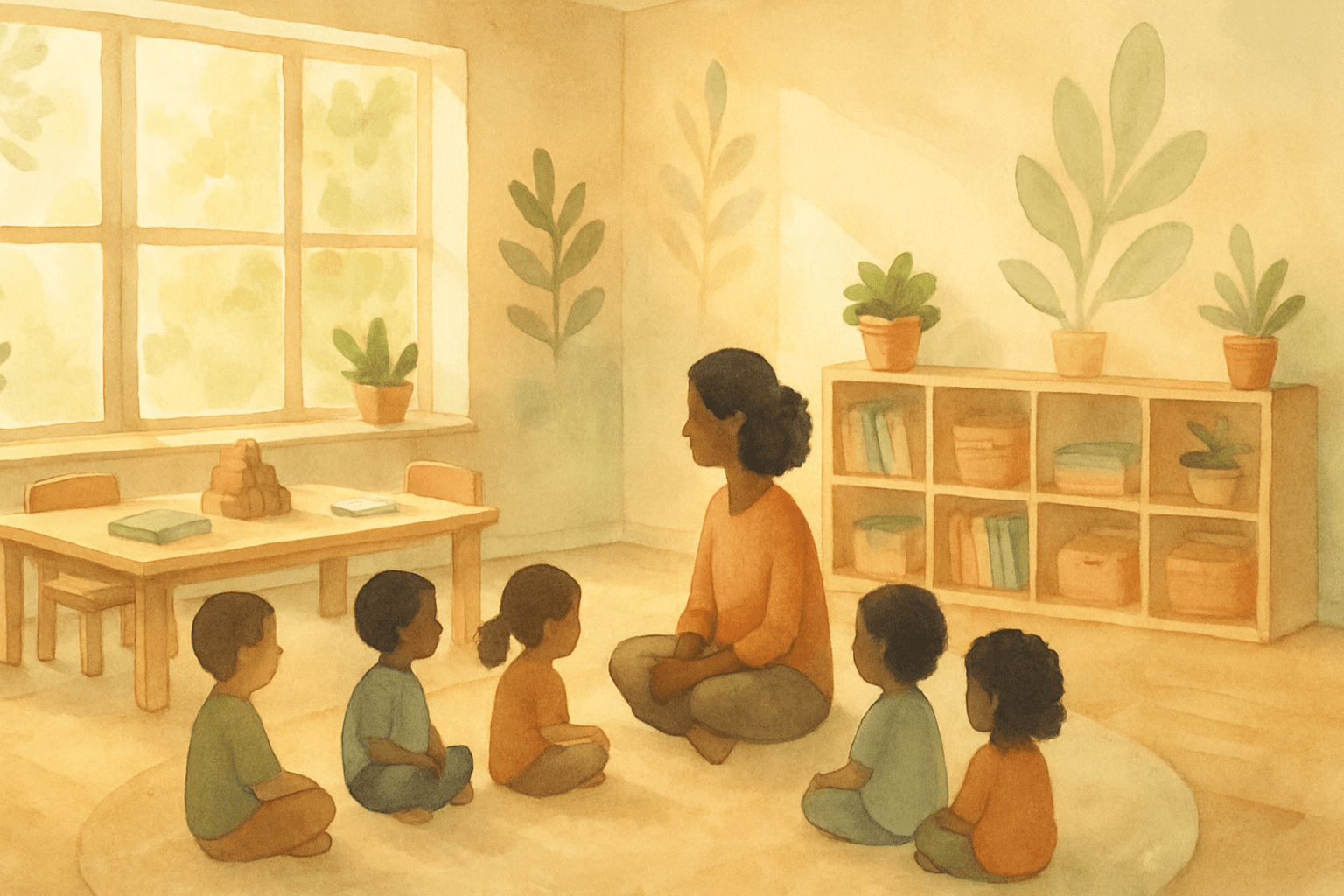
Helping children develop listening skills amidst emotional challenges
Every parent and teacher knows the challenge of getting children to listen can feel overwhelming. But what if there were techniques that not only improved listening but also nurtured a child's emotional growth?
In the early years, classrooms are bustling with energy, curiosity, and yes, a fair share of challenges. Teachers find themselves navigating a sea of emotions as children express themselves in ways that may not always align with classroom norms. Understanding why behavior can be hard for young children and how to support them is key to fostering a positive learning environment.
Understanding the Challenge
For many teachers and parents, a common frustration is when children don't seem to listen. It’s important to remember that young children are still developing the necessary skills to manage their emotions and behaviors. Their brains are learning how to deal with frustrations, share with others, and wait patiently. This developmental stage can make it hard for them to behave in ways we might expect in a structured setting like a classroom.
Emotions and Behavior
Children often use behavior to communicate their feelings, especially when words fail them. They might act out because they are overwhelmed by 'big feelings'—strong emotions they are still learning to manage. As adults, acknowledging these feelings and helping children navigate them is crucial. Providing comfort, setting clear boundaries, and gently guiding them through their emotional landscape can make a significant difference.
For instance, during a dramatic play session, children might express frustration or excitement. This is a perfect opportunity to teach them about empathy and understanding others' perspectives.
Strategies for Support
Consistency is key. Setting clear and consistent boundaries helps children understand what is expected of them. Reinforcing positive behavior through praise and recognition can boost their confidence and encourage them to repeat those behaviors. Additionally, fostering communication by talking about feelings and listening to the child's concerns can improve their listening skills over time.
Teachers can integrate activities that promote emotional regulation into their daily routines. For example, quiet play activities can help children calm down and focus, enhancing their ability to listen and follow instructions. Quiet Play Activities for Focus and Concentration are perfect for this.
Building a Supportive Environment
Creating a supportive environment involves both educators and parents working together. Open communication between home and school ensures that children receive consistent messages and support. When challenges arise, it's beneficial to address them collaboratively, seeking solutions that work for both the child and the adults involved.
Every child is unique, and while some may find it easy to adapt to classroom expectations, others may need more time and support. Patience and understanding go a long way in helping children develop the skills they need to thrive.
By embracing these strategies, we can help children grow into confident, empathetic, and well-adjusted individuals who are ready to learn and engage with the world around them.
For more insights on nurturing focus and concentration in children, explore our article on Quiet Play Activities for Focus and Concentration.
For further insights into nurturing children's development, explore our articles on Building Confidence with Constructive Play and Montessori Sensory Activities: Key Benefits. These resources offer practical ways to enhance your child's learning journey.
Frequently Asked Questions
Why is my child struggling to listen?+
Children are still learning to manage emotions and develop listening skills. Patience and consistency are crucial in guiding them.
How can I help my child with challenging behavior?+
Set clear boundaries, reinforce positive behavior, and engage in activities that teach emotional regulation and communication.
What should I do if my child acts out in public?+
Stay calm, address their emotions, and discuss the behavior later when they are more receptive to understanding and learning.
What are positive discipline techniques?+
Positive discipline techniques focus on guiding children with respect and empathy, encouraging good behavior through understanding and support rather than punishment.
How can positive discipline improve listening skills?+
By fostering an environment of trust and respect, children feel more secure and are more likely to listen and engage positively.
Tags
Join our weekly newsletter
Framework-grounded ideas for parents and educators, every Thursday.