Play & Learning
Water Play Activities for Sensory and Science Fun
Liliya Taneva4 min read
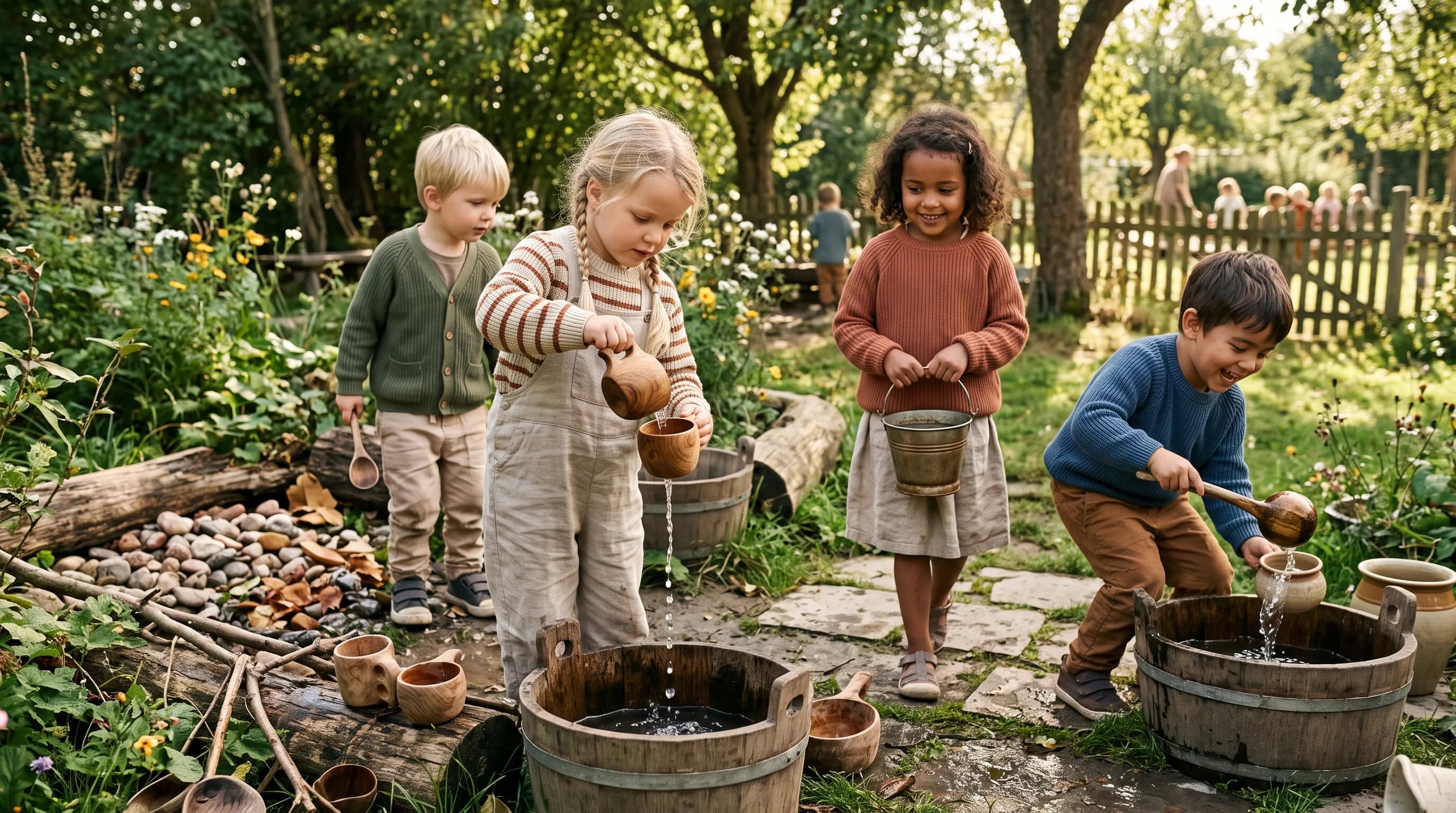
Discover exciting water play activities that stimulate your child's senses and teach buoyancy through engaging experiments.
Water play is an engaging and educational activity that can be used to explore the wonders of water. It is a great way to stimulate the senses and promote scientific discovery. Water play can be used to explore the properties of water, such as buoyancy, surface tension, and viscosity. It can also explore the effects of temperature, pressure, and other environmental factors on water. Water play can teach children the importance of conservation and protecting water resources. It is a fun and creative way to learn about the science of water and its many uses.
Engaging in various water play activities can significantly enhance a child's sensory and cognitive development.
Water play activities engage children in learning about water. These activities stimulate the senses and promote scientific discovery. Children can explore water's properties like buoyancy, surface tension, and viscosity. They also learn about temperature and pressure effects on water. Through water play, kids understand the importance of conserving and protecting water resources. It's a fun way to learn about water's science and uses.
Parents looking for hands-on ideas can explore our Montessori Sensory Activities: Key Benefits for age-appropriate activities.
How to Create a Water Play Area for Kids: Tips for Setting Up a Fun and Educational Environment
Creating a water play area for kids is fun and educational. Follow these tips to set up a safe, enjoyable space. Choose a spot away from hazards like outlets or sharp objects. If outside, pick a shaded area and avoid standing water to prevent mosquitoes. Gather materials like a shallow pool, buckets, and toys. Ensure toys are age-appropriate and safe. Add sand or dirt for extra fun. Offer activities with a water table using sponges, cups, and funnels. Provide toys like boats, rubber ducks, and water guns. Always supervise the area. Be present when children play and ensure they wear suitable clothing. Clean up after each use by emptying water and storing toys properly. This keeps the area safe and sanitary.
The Benefits of Water Play for Early Childhood Development
Water play is vital for early childhood development. It offers a safe environment for children to explore, learn, and develop skills. Water play helps children grow physically, cognitively, and socially.
- Physical development: Children use their hands and feet to move in water, boosting gross motor skills. Scooping, pouring, and splashing improve fine motor skills. Water play encourages exploration and imagination.
- Cognitive skills: Children recognise shapes, colours, and textures in water. They learn counting and measuring by filling and emptying containers. Problem-solving skills develop as they figure out how to move objects and make them float.
- Social development: Children learn cooperation and sharing in water play. They take turns and follow directions. Communication skills grow as they talk about their activities.
Exploring the Science Behind Water Play: Investigating the Physics and Chemistry of Water Play Activities
Water play activities introduce children to science in a fun way. They learn about water's properties and interactions through physics and chemistry. In physics, children understand properties like density, viscosity, and surface tension. Density affects how water pours. Viscosity shows water flow speed. Surface tension creates droplets, impacting pouring and spraying. In chemistry, children explore water's pH, solubility, and reactivity. pH measures acidity or alkalinity, affecting interactions. Solubility shows how substances dissolve. Reactivity indicates how substances mix and react. By exploring these areas, children gain a better understanding of water's properties and interactions. This knowledge helps them appreciate the science behind water play and the world around them.
Incorporating water play activities into daily routines can greatly enhance children's learning experiences.
Conclusion
Water play is a fantastic way to explore water's wonders and uses. It offers sensory stimulation and science discovery for children of all ages. This activity encourages creativity, problem-solving, and critical thinking skills. Children learn about water's properties, both physical and chemical, and its importance in our lives. Water play is also a fun way to bond with family and friends, bringing smiles to everyone involved.
Water Play Safety Tips
Ensuring safety during water play is crucial. Always supervise children closely. Use age-appropriate toys and equipment. Avoid slippery surfaces to prevent falls. Teach children about water safety rules. Ensure the play area is free from hazards like sharp objects. Regularly check and maintain equipment to ensure it is safe for use.
Frequently Asked Questions
What are the benefits of water play for children?+
Water play helps develop physical, cognitive, and social skills. It encourages creativity, problem-solving, and critical thinking while providing sensory stimulation.
How can I ensure my child's safety during water play?+
Always supervise your child, choose a safe location, and ensure the play area is free from hazards. Use age-appropriate toys and clean up after each session.
What materials do I need for a water play area?+
You'll need a shallow pool or basin, buckets, and toys like sponges, cups, and rubber ducks. Consider adding sand or dirt for more fun.
Illustrations created with AI image tools from our own prompts, curated and edited by our team. How we make things
Tags
Join our weekly newsletter
Framework-grounded ideas for parents and educators, every Thursday.