STEM
STEM & Messy Play: Fun Activities for Kids 3-6
Lilia Taneva2 min read
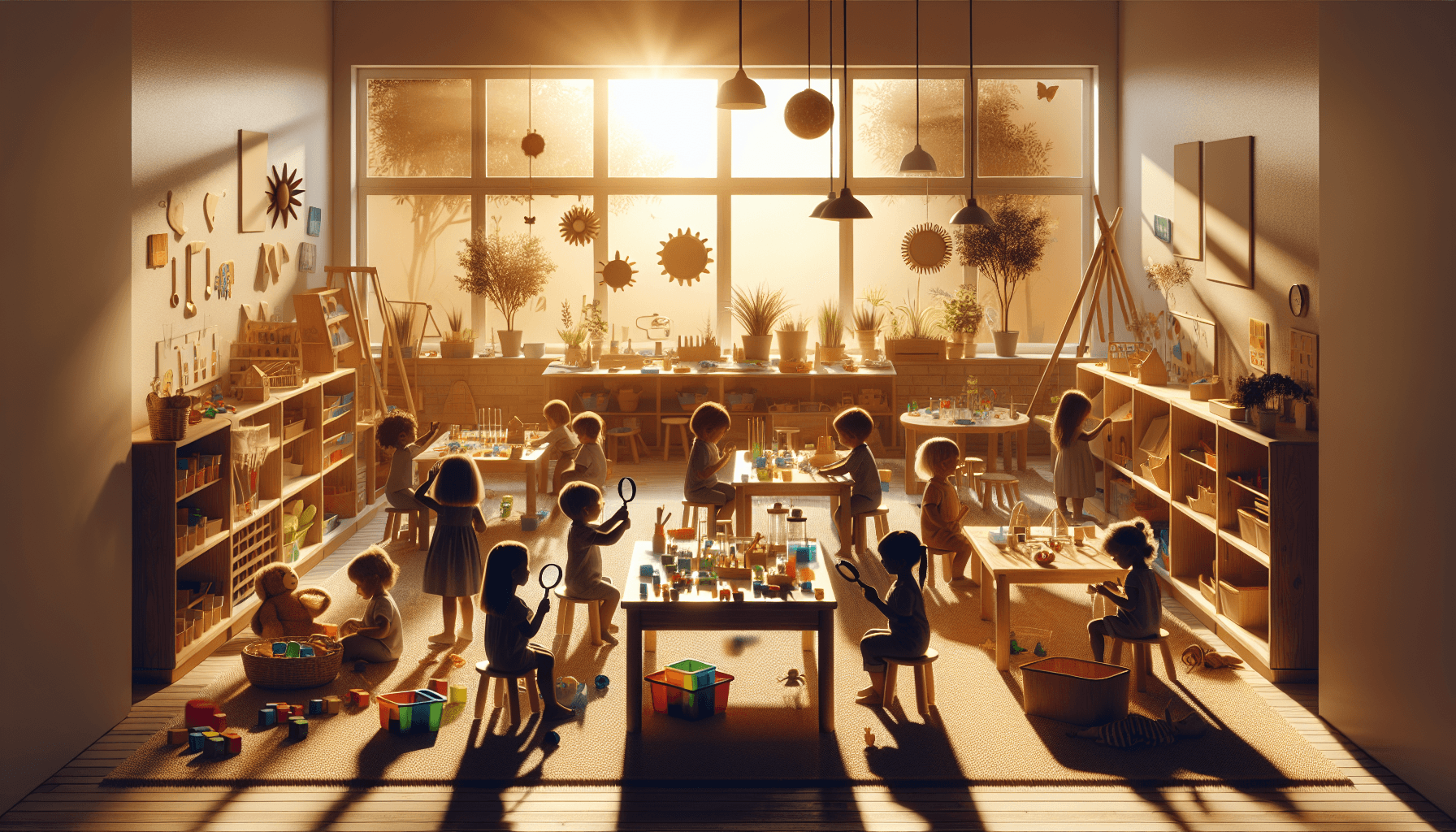
Explore fun STEM activities for kids 3-6 that boost creativity and learning through messy play.
As any parent knows, the early years are packed with opportunities for growth and exploration. For children aged 3 to 6, the right activities can transform playtime into a powerful learning experience. Embracing STEM and messy play can add layers of educational value to your child's daily routine.
Every parent knows the challenge of keeping young children entertained while also helping them learn. For kids aged 3 to 6, play is a wonderful way to achieve both. Here's how you can turn everyday moments into fun and educational experiences.
Imaginative Play
Children in this age group have vivid imaginations. Encouraging imaginative play helps them develop language and social skills. You can set up a pretend grocery store with empty cereal boxes and paper money, allowing children to role-play shopping and selling. This not only sparks creativity but also teaches basic math and communication skills.
Outdoor Adventures
Nature is a fantastic classroom. Simple activities like a scavenger hunt in the backyard can teach children about different plant species, colors, and shapes. Collect leaves, rocks, or flowers and have your child sort them by size or color. This fosters observational skills and a love for nature. For more ideas on how to incorporate outdoor learning, check out our article on Outdoor Learning in Early Childhood Education.
Creative Arts and Crafts
Arts and crafts are excellent for fine motor skill development. Set up a craft station with paper, crayons, and safe scissors. Encourage your child to create their own artwork or build simple crafts. Discuss their creations and ask questions about their choices. This supports cognitive development and boosts confidence as they express themselves creatively.
Building and Construction
Blocks and construction toys are not only fun but also educational. They help children understand spatial relationships and improve problem-solving skills. Let your child experiment with building different structures and talk about what works and what doesn’t. This kind of constructive play is essential for cognitive growth and can be a great bonding activity.
Simple Science Experiments
You don't need a lab to introduce your child to science. Simple experiments like mixing colors or making a homemade volcano can be both fun and educational. These activities introduce basic scientific concepts and encourage curiosity. Make sure to explain what’s happening in simple terms to enhance their understanding.
Play is more than just fun; it’s a critical part of learning. By integrating playful activities into daily routines, you can support your child’s development in multiple areas. Embrace these moments and watch your child thrive!
For more ideas on how to encourage focused play, check out our article on Quiet Play Activities for Focus and Concentration.
It's crucial to integrate a variety of learning experiences for holistic development. For more ideas on nurturing creativity and learning, explore our insights on Montessori Sensory Activities: Key Benefits and Quiet Play Activities for Focus and Concentration.
Frequently Asked Questions
How can play be educational for my child?+
Play helps children develop cognitive, social, and motor skills. Activities like imaginative play and crafts can enhance learning.
What are some easy educational activities for 3-6 year olds?+
Try imaginative play, outdoor scavenger hunts, simple science experiments, and arts and crafts to make learning fun.
What are some benefits of educational activities for kids?+
Educational activities help children develop critical thinking, creativity, and social skills while having fun.
How can I incorporate learning into everyday play?+
You can use toys and games that encourage problem-solving and imagination, such as building blocks or storytelling activities.
Why is STEM important for young children?+
STEM activities promote critical thinking and problem-solving skills, laying a foundation for future learning.
Illustrations created with AI image tools from our own prompts, curated and edited by our team. How we make things
Tags
Join our weekly newsletter
Framework-grounded ideas for parents and educators, every Thursday.